 comparison
Awake Abdominoplasty vs Traditional Tummy Tuck
Table of Contents
- Awake Abdominoplasty vs Traditional Tummy Tuck: Overview
- How Awake Abdominoplasty Differs from Traditional Surgery
- Risks of General Anesthesia in Cosmetic Surgery
- Awake Abdominoplasty Recovery Timeline
- Awake Liposuction and Tummy Tuck Combination
- Ideal Candidates for Each Procedure
- Safety, Comfort, and Patient Experience
- Comparison Table: Key Differences
- Frequently Asked Questions
Last Updated: September 18, 2026
Awake Abdominoplasty vs Traditional Tummy Tuck: Overview
When considering an abdominoplasty, the choice between an awake abdominoplasty vs traditional tummy tuck represents one of the most significant decisions you'll make about your surgical experience. The core difference lies in anesthesia: one keeps you conscious and aware throughout the procedure, while the other uses general anesthesia to render you unconscious. This distinction affects everything from your recovery timeline to your out-of-pocket costs to how you'll feel during the operation itself.
At Curved by Lipo, we specialize exclusively in awake procedures using local tumescent anesthesia, which means patients remain wide awake and alert throughout their transformation. Understanding the real differences between these two approaches, not the marketing claims, but the actual medical and practical distinctions, is essential before committing to either path.
The decision isn't simply about being "brave enough" to stay awake. It's about weighing genuine trade-offs: the safety profile of local anesthesia versus the comprehensive muscle repair possible under general anesthesia, the speed of recovery against the extent of contouring possible, and the affordability of awake procedures against the results you're seeking.
How Awake Abdominoplasty Differs from Traditional Surgery
An awake abdominoplasty and a traditional tummy tuck are fundamentally different surgical experiences, despite both being called abdominoplasty procedures. The difference extends far beyond whether your eyes are open, it changes the surgical technique, the depth of work possible, the anesthesia management, and your post-operative recovery entirely.
The Role of Anesthesia Type
The anesthesia choice is the primary driver of everything else. With an awake abdominoplasty, local tumescent anesthesia infiltrates the surgical area, numbing tissue and constricting blood vessels. You remain conscious throughout, able to communicate with your surgical team, respond to instructions, and experience the procedure without the fog of general anesthesia.
Traditional tummy tuck surgery relies on general anesthesia, administered intravenously, which renders you completely unconscious. An anesthesiologist monitors your vital signs continuously, managing your airway, oxygen levels, and blood pressure throughout the operation. You wake up with no memory of the procedure itself.
This anesthesia difference creates cascading effects. Local anesthesia requires no intubation, no systemic drugs circulating through your bloodstream, and no post-operative grogginess. General anesthesia allows the surgeon to perform more extensive work, deeper muscle repair, more aggressive tissue tightening, because your body isn't conscious and reactive to the surgical stimulation.
Surgical Precision and Technique
Under local tumescent anesthesia, the surgeon works with precision in a bloodless field. The tumescent solution constricts blood vessels, reducing bleeding and improving visibility. The surgeon can make real-time adjustments based on how your body responds, tightening skin and tissue to your specific anatomy without the time pressure that general anesthesia sometimes creates.
An awake abdominoplasty typically focuses on skin removal and subcutaneous fat reduction. Extensive rectus diastasis repair, the tightening of separated abdominal wall muscles, is more limited under local anesthesia.
Traditional tummy tuck surgery, performed under general anesthesia, allows for comprehensive abdominal wall reconstruction. The surgeon can perform deep fascial plication, repairing significant muscle separation and creating more dramatic tightening of the abdominal wall itself.
Risks of General Anesthesia in Cosmetic Surgery
General anesthesia carries inherent medical risks that local anesthesia avoids entirely. Understanding these risks is critical because they apply specifically to cosmetic procedures, where the goal is enhancement rather than treating a life-threatening condition.
Anesthesia-related complications can include nausea and vomiting in the immediate post-operative period, which affects roughly one in five patients. More serious but rare complications include aspiration (stomach contents entering the lungs), malignant hyperthermia (a dangerous reaction to anesthetic drugs), and cardiovascular events (Malignant Hyperthermia). For a healthy patient undergoing elective cosmetic surgery, these risks are statistically small but non-zero.
Post-operative cognitive dysfunction, sometimes called "brain fog", can linger for days or weeks after general anesthesia, affecting memory and concentration (Post-operative cognitive dysfunction in the elderly: A prospective clinical study). Patients often report feeling mentally cloudy, fatigued, and unable to focus on work or daily tasks long after they've physically healed.
The recovery from general anesthesia itself extends your overall downtime. Most patients need someone to drive them home, cannot operate machinery, and shouldn't make important decisions for 24 hours. Some experience lingering nausea, headaches, or drowsiness for several days.
Local tumescent anesthesia eliminates these systemic risks. You're not ingesting or inhaling anesthetic drugs. Your airway remains unmanaged and natural. Your cognitive function is unaffected, you can drive yourself home and return to mental work the same day if your surgeon clears you.
Awake Abdominoplasty Recovery Timeline
The recovery from an awake abdominoplasty differs markedly from traditional tummy tuck recovery, primarily because your body hasn't been through the physiological shock of general anesthesia.
First Two Weeks: Initial Healing
The first 48 hours post-procedure are the most critical. Expect swelling, bruising, and mild to moderate discomfort, not pain, but a deep soreness in the surgical area. Most patients manage this with over-the-counter pain relievers and prescription-strength analgesics if needed. Importantly, you're not emerging from anesthesia fog; you're mentally clear and can monitor your own healing.
By day 3, most patients report that initial swelling peaks and then begins to subside. Light activity, walking around your home, gentle stretching, is encouraged. You can typically return to desk work by the end of the first week, though you'll tire more easily than usual.
By day 10-14, many patients feel ready to resume normal daily routines. The incision is healing, swelling has diminished significantly, and you've regained most of your energy. Bruising may still be visible, but the worst of the discomfort has passed.
Weeks Three Through Eight
Week three is often when patients feel the most dramatic improvement. Swelling continues to resolve, and you can gradually increase activity. Light exercise, walking, swimming, becomes possible. Many patients return to work full-time during this period if their job doesn't involve heavy lifting or strenuous activity.
By week six, most patients are cleared for moderate exercise, though high-impact activities remain restricted. The incision continues to mature and fade. Numbness or tightness in the surgical area is normal and gradually resolves over weeks and months.
Awake Liposuction and Tummy Tuck Combination
Many patients seeking comprehensive abdominal contouring benefit from combining awake liposuction with abdominoplasty. This combination addresses both excess skin and stubborn fat deposits that resist diet and exercise.
Ideal Candidates for Each Procedure
The choice between awake abdominoplasty and traditional tummy tuck depends partly on your anatomy and partly on your priorities and medical history.
Safety, Comfort, and Patient Experience
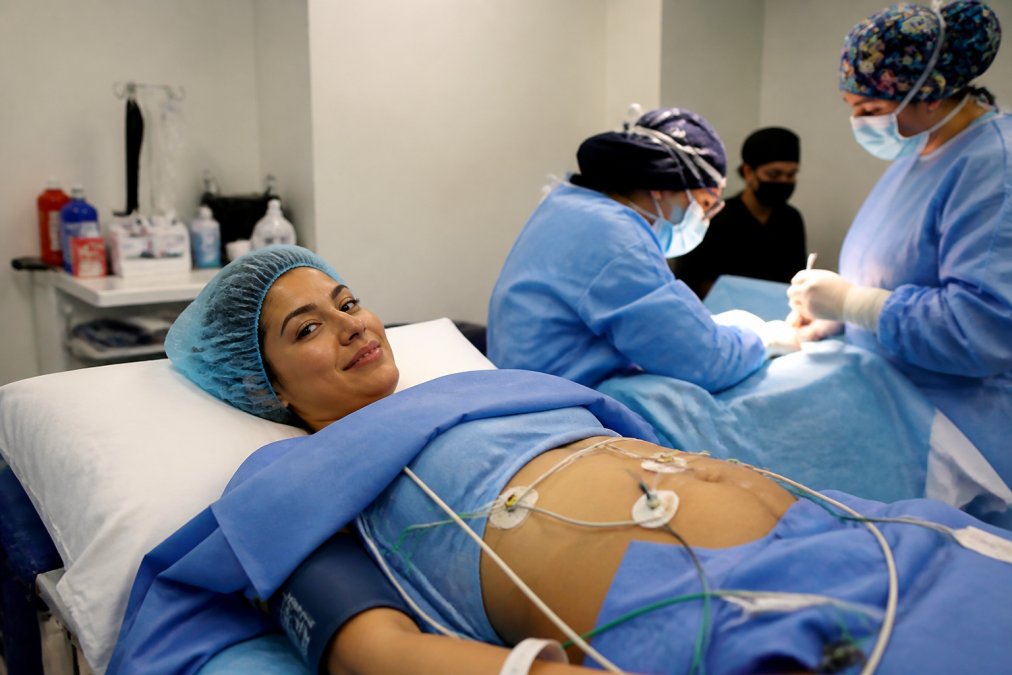
The experience of undergoing an awake procedure differs fundamentally from general anesthesia. Many patients express initial anxiety about being conscious during surgery, but the reality is quite different from the fear.
Comparison Table: Key Differences
| Factor | Awake Abdominoplasty | Traditional Tummy Tuck |
|---|---|---|
| Anesthesia Type | Local tumescent | General anesthesia |
| Consciousness | Fully awake throughout | Unconscious |
| Airway Management | Natural, unmanaged | Intubated |
| Operative Time | 2-4 hours | 2-5 hours |
| Depth of Work | Skin removal, subcutaneous fat, limited muscle repair | Comprehensive muscle tightening, extensive fascial plication |
| Blood Loss | Minimal | Moderate |
| Post-Op Nausea | Rare | Common |
| Hospital Stay | Outpatient | Outpatient to overnight |
| Recovery to Light Activity | 1-2 weeks | 2-3 weeks |
| Recovery to Full Activity | 8-12 weeks | 12-16 weeks |
| Anesthesia Risks | Minimal | Moderate (aspiration, cognitive dysfunction, rare serious events) |
| Cost Considerations | Generally more affordable | Higher due to hospital/anesthesia fees |
| Best For | Mild-moderate skin laxity, rapid recovery priority, anesthesia-averse patients | Extensive muscle repair, significant skin excess, maximum tightening |
The choice between an awake abdominoplasty vs traditional tummy tuck ultimately depends on your anatomy, your goals, and your tolerance for surgical risk. If you prioritize safety, rapid recovery, and avoiding general anesthesia, awake procedures deliver results with minimal downtime. If you require extensive muscle repair or have significant skin excess, a traditional approach may be necessary to achieve your desired outcome.
Frequently Asked Questions
What is the main difference between awake abdominoplasty and traditional tummy tuck?
Awake abdominoplasty uses local tumescent anesthesia, keeping you alert during surgery, while traditional tummy tuck relies on general anesthesia that puts you to sleep. Local anesthesia eliminates the risks associated with general anesthesia, such as nausea, prolonged grogginess, and respiratory complications. Both procedures can tighten abdominal muscles and remove excess skin, but the anesthesia method affects your recovery experience and timeline significantly.
How does recovery time differ between awake abdominoplasty and general anesthesia procedures?
Awake abdominoplasty typically allows faster recovery because you avoid general anesthesia side effects like post-operative nausea and extended sedation. Most patients return to light activity within days rather than weeks. Traditional tummy tuck under general anesthesia often requires 2-3 weeks before resuming normal routines due to anesthesia recovery. Pain levels are generally lower with awake procedures since local tumescent anesthesia reduces tissue trauma and inflammation.
Am I a candidate for an awake tummy tuck?
Good candidates for awake abdominoplasty are generally healthy adults with realistic expectations who want to avoid general anesthesia risks. You may be ideal if you have moderate skin laxity or localized fat deposits, need minimal downtime, or prefer to remain alert during surgery. However, extensive muscle repair or significant skin removal may require traditional surgery. A consultation with a qualified surgeon can determine whether your specific abdominal concerns, such as rectus diastasis or stubborn fat resistant to diet and exercise, are suitable for the awake approach.
What are the primary safety benefits of local tumescent anesthesia?
Local tumescent anesthesia eliminates risks tied to general anesthesia, including allergic reactions, airway complications, and prolonged sedation side effects. The technique numbs only the surgical area while keeping your vital signs stable and your airway clear. You remain conscious, allowing the surgical team to monitor your comfort in real time. This approach also reduces the need for intravenous medications and narcotic analgesics, lowering infection risk and post-operative pain.
Does an awake tummy tuck provide the same muscle repair as a traditional procedure?
Awake abdominoplasty can address mild to moderate rectus diastasis and skin laxity effectively. However, extensive muscle repair or significant abdominal wall reconstruction may be better suited to traditional surgery, where general anesthesia allows longer operative time and deeper tissue work. Your surgeon can assess whether your specific condition, such as severe muscle separation from pregnancy or weight loss, requires the extended surgical approach that traditional abdominoplasty offers.