 blog
blog
Awake Liposuction vs General Anesthesia: Which Is Safer?
Table of Contents
- How Awake Liposuction and General Anesthesia Compare
- Risks of General Anesthesia in Cosmetic Surgery
- Tumescent Anesthesia Safety: What the Evidence Shows
- Liposuction Recovery Time: Awake vs. General Anesthesia
- Ideal Candidate Criteria and Volume Limits
- Managing Anxiety and Post-Operative Pain
- Making the Decision: Is Awake Liposuction Right for You?
- Frequently Asked Questions
Last Updated: September 16, 2026
How Awake Liposuction and General Anesthesia Compare
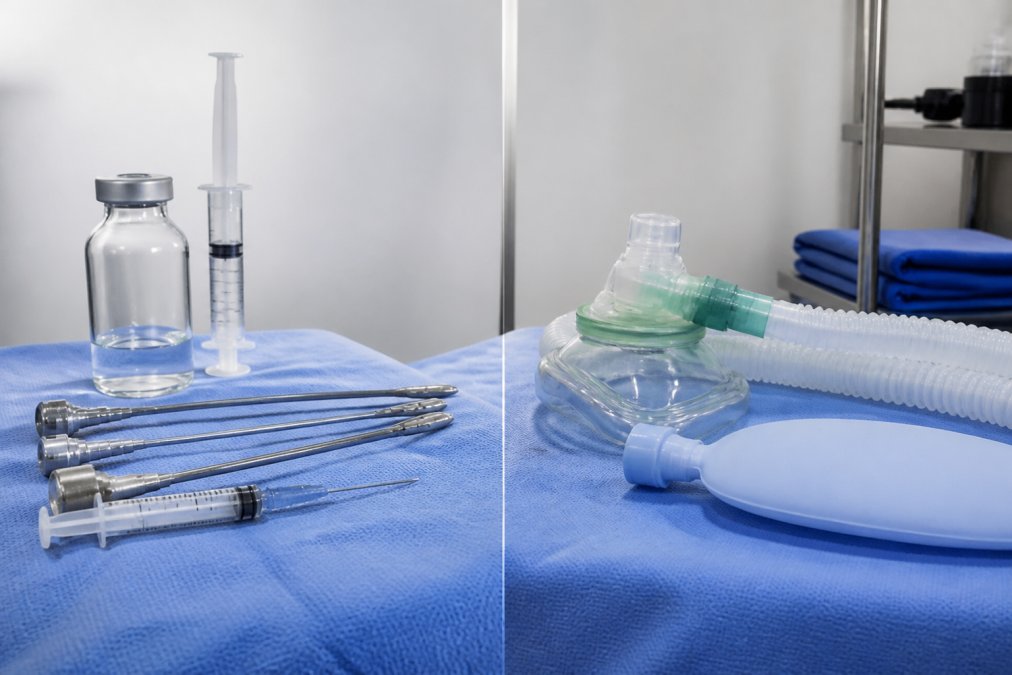
Awake liposuction and general anesthesia represent two fundamentally different approaches to the same cosmetic goal. Awake liposuction is a body contouring procedure performed entirely under local tumescent anesthesia, allowing the patient to remain conscious and responsive throughout. General anesthesia, by contrast, renders the patient fully unconscious and requires a licensed anesthesiologist to manage breathing, heart rate, and vital functions during surgery.
The Tumescent Technique and Local Anesthesia
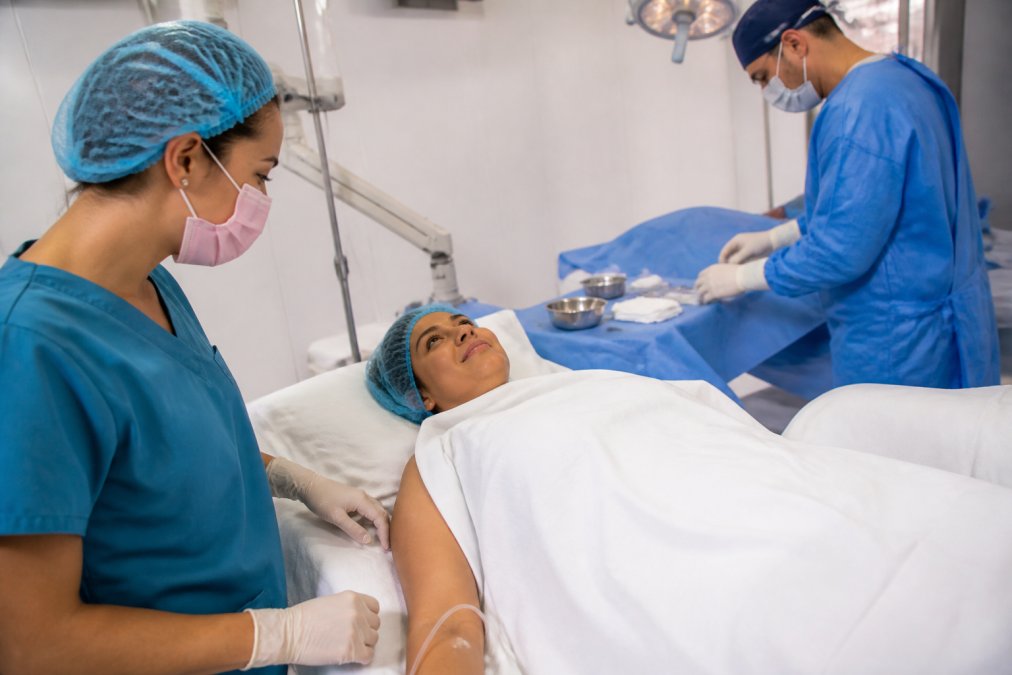
The tumescent technique is the foundation of awake liposuction. A large volume of dilute numbing solution, containing lidocaine for pain control and epinephrine to constrict blood vessels and reduce bleeding, is injected into the target area before any fat removal begins. This solution firms the tissue, which makes the cannula easier to guide with precision.
General Anesthesia in Cosmetic Surgery
General anesthesia works differently. It requires intravenous drugs and inhaled agents to induce unconsciousness, along with a breathing tube or mask to support respiration. An anesthesiologist must continuously monitor the patient's airway, blood pressure, and oxygen levels throughout the procedure.
Risks of General Anesthesia in Cosmetic Surgery
The risks of general anesthesia in cosmetic surgery are real and well documented, even though serious complications are uncommon. Nausea and vomiting after waking are among the most frequently reported issues. Sore throat from the breathing tube, confusion, and delayed return to normal mental function are also common.
Common Side Effects and Complications
- Nausea and vomiting during the first 24 hours
- Sore throat and hoarseness from airway management
- Drowsiness and impaired coordination lasting several hours
- Shivering and feeling cold during emergence from anesthesia
- Rare but serious cardiovascular or respiratory events
For a procedure that only affects a localized area of the body, many patients find it hard to justify accepting systemic anesthesia risk.
Tumescent Anesthesia Safety: What the Evidence Shows
Tumescent anesthesia safety has been studied extensively since the technique was developed in the 1980s. The key is staying within established dosing limits and monitoring the patient throughout the procedure.
Lidocaine and Epinephrine Limits
Lidocaine is the numbing agent in the tumescent solution, and epinephrine is added to narrow blood vessels and slow absorption. Because the solution is diluted and injected into fatty tissue rather than directly into the bloodstream, absorption is gradual. Still, total lidocaine dose must be calculated against patient weight, and the surgeon must track exactly how much solution goes in.
Monitoring and Facility Standards
Even though the patient is awake, monitoring remains essential. Blood pressure, heart rate, and oxygen saturation should be tracked throughout. The surgical facility needs the equipment and trained staff to recognize and respond to any adverse reaction.
Liposuction Recovery Time: Awake vs. General Anesthesia
Liposuction recovery time is typically shorter after awake procedures because the body isn't clearing anesthetic drugs. Patients often walk out of the facility on their own and can return to desk work within a few days, depending on the area treated and the volume removed.
| Recovery Factor | Awake (Local Tumescent) | General Anesthesia |
|---|---|---|
| Time to leave facility | Same day, often unassisted | Same day, escorted |
| First 24 hours | Alert, mild soreness | Grogginess, nausea common |
| Return to desk work | A few days | Often longer |
| Driving | Once off pain medication | Once off anesthesia effects |
| Compression garment | Worn as directed | Worn as directed |
Ideal Candidate Criteria and Volume Limits
Awake liposuction is not a universal procedure. Here is the candidacy picture in concrete terms.
A Self-Qualifying Checklist
Most surgeons consider you a strong candidate for awake liposuction if you can answer yes to the following:
- You are at or near a stable weight you have maintained for at least six months.
- Your body mass index falls in a range your surgeon considers safe for outpatient local anesthesia, many practices use a cutoff around 30 to 35, though this varies by surgeon and facility.
- You have localized, stubborn fat deposits on the abdomen, flanks, thighs, arms, back, or chin that have not responded to diet and exercise.
- Your skin has enough elasticity to contract after fat removal.
- You have no uncontrolled heart, lung, liver, or bleeding conditions, and no history of adverse reactions to lidocaine or epinephrine.
- You are not pregnant or breastfeeding.
- You can arrange a responsible adult to drive you home and stay with you for the first 24 hours, even though you will likely feel alert.
Volume Limits: Small, Moderate, and Large
Local tumescent anesthesia is often best suited to small-volume and moderate-volume contouring, and the distinction often looks like this:
- Small-volume: roughly under 1 liter of aspirate, often a single area such as the chin, arms, or a small flank pocket.
- Moderate-volume: roughly 1 to 3 liters of aspirate, typically two to three areas such as the abdomen plus flanks.
- Large-volume: generally above 3 to 5 liters of aspirate, which many surgeons prefer to perform in a hospital or accredited surgical center with anesthesia support on standby.
Questions to Ask at Your Consultation
- What volume do you expect to remove from my target areas?
- Does that volume fall within your comfort range for local tumescent anesthesia?
- What is your plan if the procedure needs to convert to general anesthesia mid-case?
- Who monitors my vitals, and what emergency equipment is on site?
If a surgeon cannot answer these directly, that is a signal to keep looking. A responsible surgeon will discuss when your goals may exceed what awake liposuction can safely deliver in a single session, and may recommend staging the procedure across two visits instead.
Managing Anxiety and Post-Operative Pain
Being awake during surgery is a significant concern for many patients. The mental experience of an awake procedure is as important as the physical one.
What Anxiety Actually Feels Like, and How It Is Managed
Most patients describe the first ten to fifteen minutes of tumescent injection as the most uncomfortable part, not because of sharp pain but because of the pressure and warmth of fluid entering the tissue. After that, the area is numb and the procedure itself is largely sensation-free.
- Pre-procedure walkthrough. A surgeon can narrate the sequence before it starts, what you will feel, when, and for how long.
- Continuous verbal contact. You are not left alone with your thoughts. The surgeon and nurse talk with you throughout, which is itself a calming mechanism.
- Adjustable numbing. If any area is not fully numb, more tumescent solution can be added. You should never feel sharp pain.
- Position and comfort. Pillows, warm blankets, and the ability to shift slightly between areas reduce the trapped feeling some patients report.
- Optional oral anxiolytic. Some practices offer a mild oral sedative before the procedure. This is not general anesthesia and does not require an anesthesiologist, but it can take the edge off for highly anxious patients.
Post-Operative Pain Management Protocols
Pain after awake liposuction is typically described as soreness, swelling, and a bruised, sunburned feeling rather than sharp surgical pain. The protocol most surgeons use looks like this:
- First 24 to 48 hours: Scheduled over-the-counter acetaminophen, with compression garments worn continuously except for showering. Some surgeons add a short course of a prescription pain medication, but many patients never fill it.
- Days 3 to 7: Soreness peaks and then declines. Ibuprofen is often added once bleeding risk has passed, since it also reduces swelling. Walking short distances helps prevent blood clots.
- Week 2 onward: Most patients are off all pain medication and back to desk work. Compression garments are typically worn for several weeks to help skin contract and reduce fluid buildup.
How This Differs From General Anesthesia Recovery
If pain is escalating instead of easing after the first week, or if you develop fever, unusual redness, or shortness of breath, contact your surgeon immediately. Those are not normal recovery patterns.
Making the Decision: Is Awake Liposuction Right for You?
Awake liposuction can be a strong fit for healthy adults with localized fat who want to avoid the risks of general anesthesia and prefer a faster return to normal activity. It may be less suitable for very large-volume removals or patients with certain medical conditions that require hospital-based care.
Frequently Asked Questions
What are the downsides of awake liposuction?
Awake liposuction has limitations. You may feel some pressure or movement during the procedure, though the tumescent technique with lidocaine and epinephrine numbs the area. Not everyone is a candidate; those needing large-volume fat removal or with certain health conditions may be better served by general anesthesia. There is also a learning curve for surgeons, so choosing an experienced provider is critical. Finally, while recovery is faster, you still need to wear compression garments and avoid strenuous activity for a few weeks.
Is awake liposuction safer than traditional liposuction under general anesthesia?
Awake liposuction eliminates many risks of general anesthesia, such as airway complications, nausea, and prolonged sedation. The tumescent technique uses local anesthesia with lidocaine and epinephrine, which narrows blood vessels and reduces bleeding. However, it is not risk-free; potential issues include lidocaine toxicity and fluid overload if not carefully monitored. Safety depends on proper patient selection, surgeon skill, and facility standards. Always discuss your specific health profile with a qualified professional.
How does the recovery timeline differ for awake liposuction versus general anesthesia?
Awake liposuction typically allows a quicker return to daily activities. Many patients walk out of the clinic and resume light work within 2-3 days. General anesthesia often brings grogginess, nausea, and a longer period of rest, with some patients needing a week or more before feeling normal. Swelling and bruising are similar for both, but awake patients avoid anesthetic side effects that can slow early recovery. Your surgeon will provide specific milestones based on the volume of fat removed.
Does awake liposuction provide the same aesthetic results as traditional liposuction?
For small to moderate volumes, awake liposuction can often achieve results comparable to general anesthesia. Because you are awake and can reposition, your surgeon can fine-tune contouring in real time. However, for very large volumes or multiple areas, general anesthesia may allow more aggressive aspiration. The key is matching the technique to your goals. Discuss expected outcomes, including skin tightening and fat grafting, with a qualified provider.