 how-to
How to Avoid Uneven Liposuction Results
Table of Contents
- Understanding Causes of Uneven Liposuction Results
- Preoperative Steps to Reduce Risk of Contour Irregularities
- Lumpy After Liposuction: What's Normal vs. Concerning
- Documenting Your Progress: Tracking Changes Objectively
- Warning Signs and When to Contact Your Surgeon
- Frequently Asked Questions
Last Updated: October 5, 2026
Understanding Causes of Uneven Liposuction Results
Uneven liposuction results happen when fat removal creates visible irregularities in your body's contours.
The main culprits are technique inconsistency, aggressive fat removal in some areas while leaving excess in others, and surgeon experience.
Other factors include uneven fat layer depth, removing too much subcutaneous fat from one area, and poor surgical planning that ignores your unique anatomy.
Swelling after liposuction can also mask uneven results temporarily.
Preoperative Steps to Reduce Risk of Contour Irregularities
Surgeon Selection and Surgical Technique
Your surgeon's experience directly impacts your outcome. A qualified plastic surgeon understands how much fat to remove from each zone and how to maintain smooth transitions between treated and untreated areas.
At Curved by Lipo, we perform all procedures under local tumescent anesthesia, keeping you awake.
Request before-and-after photos and look for smooth contours without visible irregularities. Ask how many liposuction procedures they perform monthly, specialists in body contouring typically deliver more consistent results than occasional practitioners.
Setting Realistic Expectations Before Surgery
Understanding what liposuction can and cannot do prevents disappointment. It removes fat but doesn't tighten loose skin; poor skin elasticity may require additional skin tightening procedures.
Discuss your goals clearly and bring reference photos. Your surgeon will explain what's achievable based on your anatomy, skin quality, and excess fat.
Key expectations to set:
- Results improve over 6-12 months as swelling decreases
- Some lumpiness in the first weeks is normal
- You may need multiple sessions for optimal contouring
A good surgeon will tell you what they can realistically achieve. If they promise perfection or guarantee specific results, that's a red flag.
Lumpy After Liposuction: What's Normal vs. Concerning
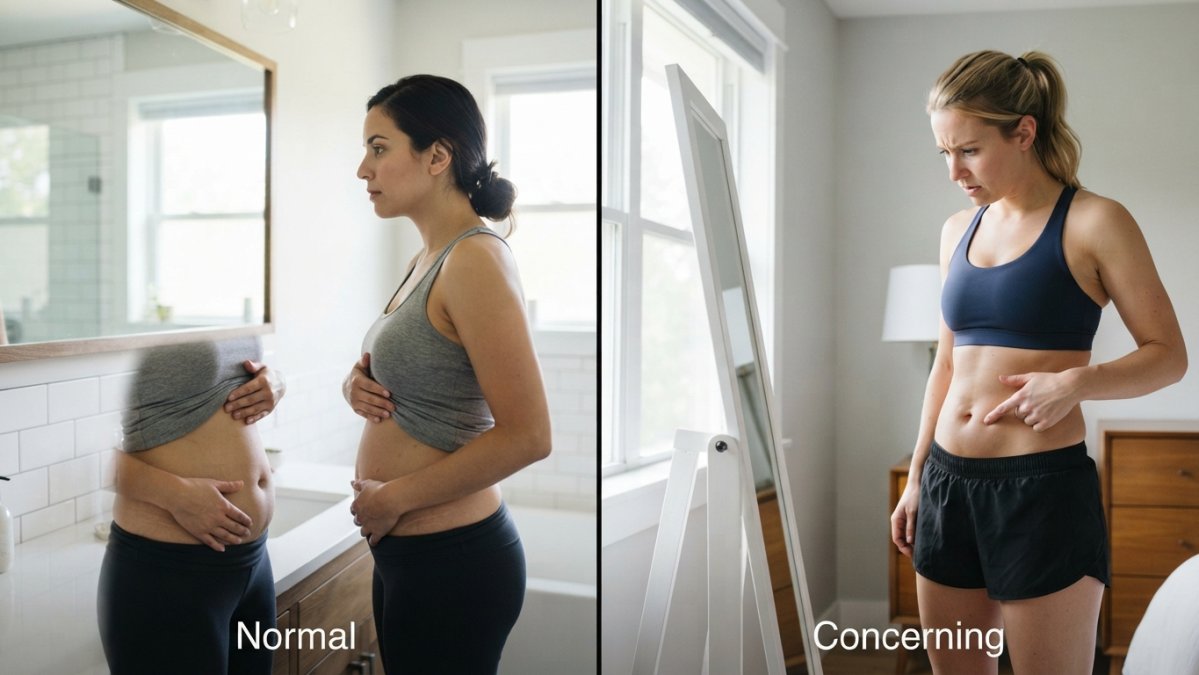
Lumpy skin after liposuction is common early on as tissues heal and adjust. Temporary lumpiness usually resolves within 8-12 weeks.
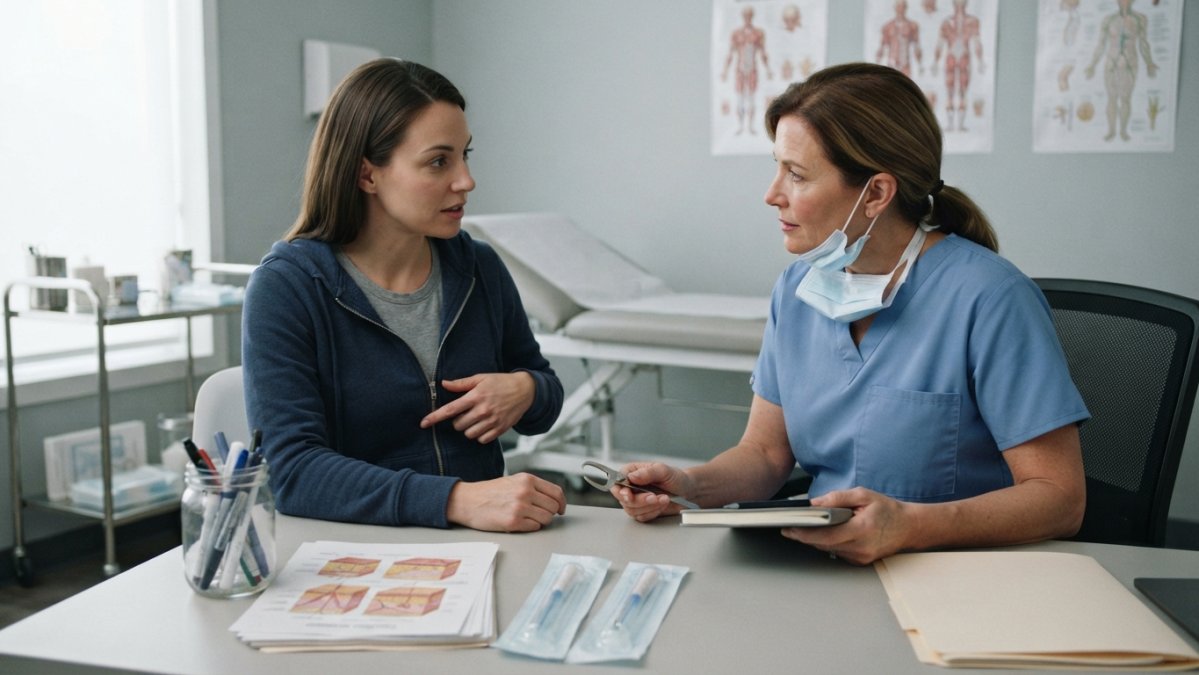
Many surgeons include one revision procedure in their original surgical fee, but the terms vary. Confirm this before your initial surgery.
Getting these answers in writing before the first procedure prevents disputes later.
When to Wait Versus Seek Treatment
Use this simple framework:
- Under 3 months: Wait. Swelling is still resolving and the contour is still changing.
- 3-6 months: Continue monitoring. If the contour is improving, keep waiting. If it has plateaued, schedule an assessment.
- 6-12 months: This is the standard window for evaluating whether revision is appropriate.
- Beyond 12 months: If an irregularity persists and bothers you, it is reasonable to pursue correction.
The decision is not purely medical, it also depends on how much the irregularity affects your daily life and whether the potential improvement justifies the cost, recovery, and uncertainty of another procedure. A surgeon who respects that will help you weigh the trade-offs rather than push you toward a decision.
Documenting Your Progress: Tracking Changes Objectively
Documenting your recovery helps you and your surgeon assess real changes versus perceived ones. Swelling and bruising can distort your perception of results.
Take progress photos consistently:
- Use the same lighting each time (natural window light works best)
- Wear the same clothing or none
- Stand in identical positions
- Take photos at the same time of day
Compare photos side-by-side at regular intervals. You'll see improvements that feel invisible day-to-day.
Keep a recovery journal noting daily swelling levels, changes in lumps or bumps, activity level, compression garment wear time, and any concerns.
Warning Signs and When to Contact Your Surgeon
Most post-liposuction changes are normal. Some signs warrant immediate medical attention.
Contact your surgeon if you experience:
- Excessive swelling that worsens after day 5 instead of improving
- Severe pain not controlled by prescribed medication
- Signs of infection: fever, increasing redness, warmth, pus, or foul odor
- Skin breakdown or open wounds that don't heal
Don't wait to see if these resolve. Early intervention prevents complications from becoming permanent.
Minor concerns worth discussing at your follow-up appointment include mild lumpiness at 6-8 weeks, slight asymmetry that's improving, temporary nerve irritation, and bruising that's slower to fade.
Your surgeon has seen hundreds of recoveries. They know what's normal variation and what needs attention. Trust your instincts, if something feels wrong, get it checked.
Avoiding uneven liposuction results requires careful planning, experienced surgical technique, and active participation in your recovery. At Curved by Lipo, we prioritize your safety and satisfaction by performing procedures under local tumescent anesthesia, allowing real-time assessment of your contours and optimal results. Our commitment to education means you'll understand every step of your journey. The American Society of Plastic Surgeons provides guidelines on selecting a qualified surgeon to help you make informed decisions.
Frequently Asked Questions
Is it normal to have uneven results or lumps and dents after liposuction?
Some irregularity is normal during the first 3-6 months as swelling subsides and skin retracts. Mild bumps or temporary asymmetry often resolve as tissues heal. However, persistent or worsening lumps, deep dents, or significant contour irregularities after 6 months warrant evaluation by your surgeon. Skin elasticity, the depth of fat removal, and surgical technique all influence whether minor unevenness settles or requires revision.
How long does swelling after liposuction typically last, and when will I see final results?
Most swelling peaks within the first 2-3 weeks and gradually diminishes over 6-8 weeks. However, residual swelling can persist for 3-6 months, especially in deeper tissue layers. Final contour results often take 6-12 months to fully emerge as skin tightens and inflammation resolves completely. Compression garments and elevation accelerate fluid resorption and improve the timeline.
What are the best liposuction recovery tips to support even, smooth results?
Wear compression garments as directed (typically 24/7 for 2-4 weeks, then during the day for several weeks more) to minimize swelling and support skin retraction. Stay well-hydrated, avoid strenuous activity for 2-4 weeks, and follow your surgeon's dietary and medication guidelines. Attend all follow-up appointments for progress assessment. Avoid smoking and alcohol, which delay healing. Gentle movement and elevation of treated areas promote circulation and reduce fluid accumulation.
Can uneven liposuction results be corrected, and what are my options?
Yes, revision liposuction or corrective body contouring can address persistent irregularities, fat pockets, or contour asymmetry. Options include targeted fat removal, fat grafting to fill depressions, or skin-tightening procedures depending on the specific concern. Revision surgery timing matters: wait at least 6 months after your initial procedure to allow complete healing and accurate assessment of final contours before pursuing corrective treatment.