 listicle
Benefits of Awake Cosmetic Surgery: Safety & Recovery
Table of Contents
- What Awake Cosmetic Surgery Actually Means
- Is Local Anesthesia Safe for Surgery?
- Tumescent Anesthesia Benefits for Cosmetic Procedures
- Awake Liposuction Recovery Time and What to Expect
- Patient Safety and Complication Risks You Should Know
- Who Is a Good Candidate for Awake Cosmetic Surgery?
- Managing Anxiety and Pain During Your Awake Procedure
- Conclusion
- Frequently Asked Questions
Last Updated: September 20, 2026
What Awake Cosmetic Surgery Actually Means
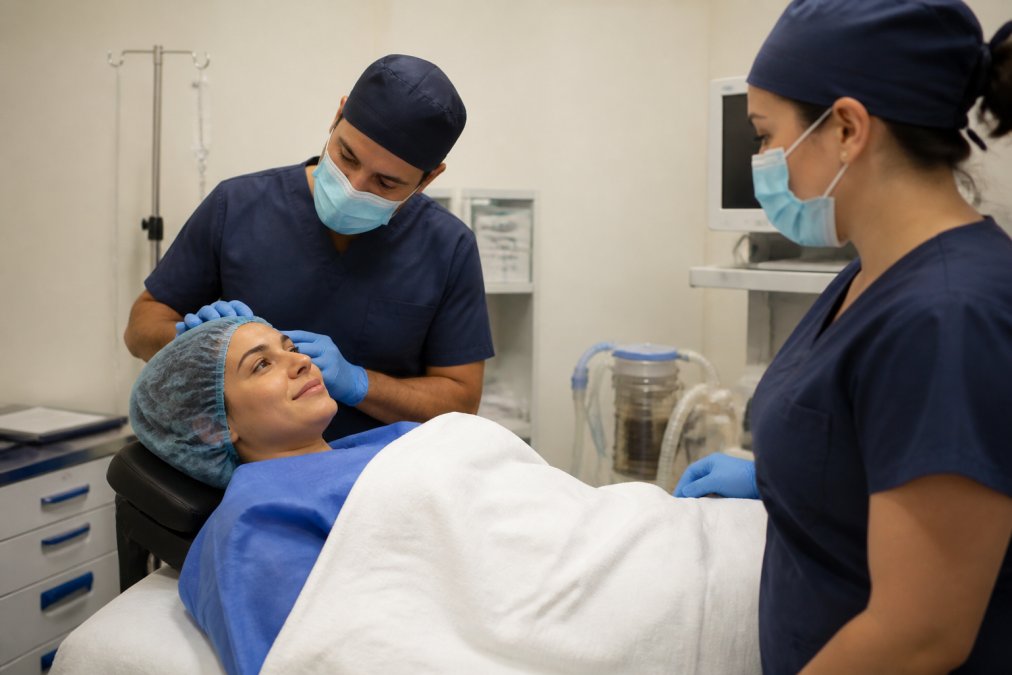
Awake cosmetic surgery refers to procedures performed while you remain conscious under local anesthesia rather than being put to sleep with general anesthesia. At Curved by Lipo, we specialize in this approach, performing liposuction, abdominoplasty, breast augmentation, and fat transfers with patients fully alert throughout the procedure. The surgeon uses local anesthesia, typically lidocaine, to numb the surgical area, allowing you to experience the transformation while staying aware and responsive.
This method differs fundamentally from traditional cosmetic surgery. Instead of an anesthesiologist managing your breathing and vital signs while you're unconscious, a trained surgeon administers local anesthesia directly to the treatment area. You'll hear conversations, feel pressure and vibration, but not pain. Many patients find this transparency reassuring rather than anxiety-inducing.
The benefits of awake cosmetic surgery extend beyond just staying conscious. Because you're awake, your body maintains its natural reflexes and breathing patterns. There's no intubation, no respiratory complications to manage, and no post-operative nausea from general anesthesia. The recovery process typically moves faster, and you can often return to light activity within days rather than weeks.
Is Local Anesthesia Safe for Surgery?
Local anesthesia is a well-established, safe approach for cosmetic procedures when administered by qualified surgeons.
Local anesthesia works by blocking nerve signals in a specific area. Lidocaine, the most common agent, numbs tissue without affecting your consciousness or breathing. The surgeon applies it directly to the surgical site, and it takes effect within minutes. Because the anesthesia is localized rather than systemic, your body doesn't experience the risks associated with general anesthesia, no need to suppress your gag reflex, no airway management concerns, no potential for adverse reactions to intravenous medications.
Safety depends on several factors: the surgeon's experience with local anesthesia techniques, proper dosing based on your body weight, and your overall health status. A qualified surgeon will discuss your medical history, current medications, and any previous reactions to anesthesia before proceeding. They'll also monitor your comfort level throughout the procedure, adjusting anesthesia as needed.
Tumescent Anesthesia Benefits for Cosmetic Procedures
Tumescent anesthesia is a specialized technique that amplifies the benefits of local anesthesia for body contouring procedures. This method involves injecting a large volume of dilute lidocaine solution directly into the fatty tissue being treated. The solution contains epinephrine, which constricts blood vessels and reduces bleeding during the procedure.
The name "tumescent" describes what happens: the tissue becomes swollen and firm, making it easier for the surgeon to precisely contour and remove fat. This technique allows surgeons to perform aggressive liposuction and body contouring while keeping you awake and comfortable. The tumescent solution provides both anesthesia and hemostasis, it numbs the area and controls bleeding simultaneously.
Benefits of the tumescent technique include reduced blood loss, which means less bruising and faster healing. Because blood loss is minimized, you don't need general anesthesia or blood transfusions. The procedure can be performed in an outpatient setting, and you can go home the same day. Recovery typically involves mild to moderate bruising that resolves within 1-2 weeks, rather than the more severe swelling and downtime associated with general anesthesia procedures.
The tumescent approach also allows for superior aesthetic results. With you awake, the surgeon can assess symmetry and contour in real time, making micro-adjustments as needed. You can even sit up during certain phases of liposuction to help the surgeon evaluate balance and proportion.
Awake Liposuction Recovery Time and What to Expect
Recovery from awake liposuction is significantly faster than recovery from traditional liposuction under general anesthesia. Most patients return to light activities within 3-5 days and resume normal exercise within 2-3 weeks. This accelerated timeline is one of the primary benefits of awake cosmetic surgery.
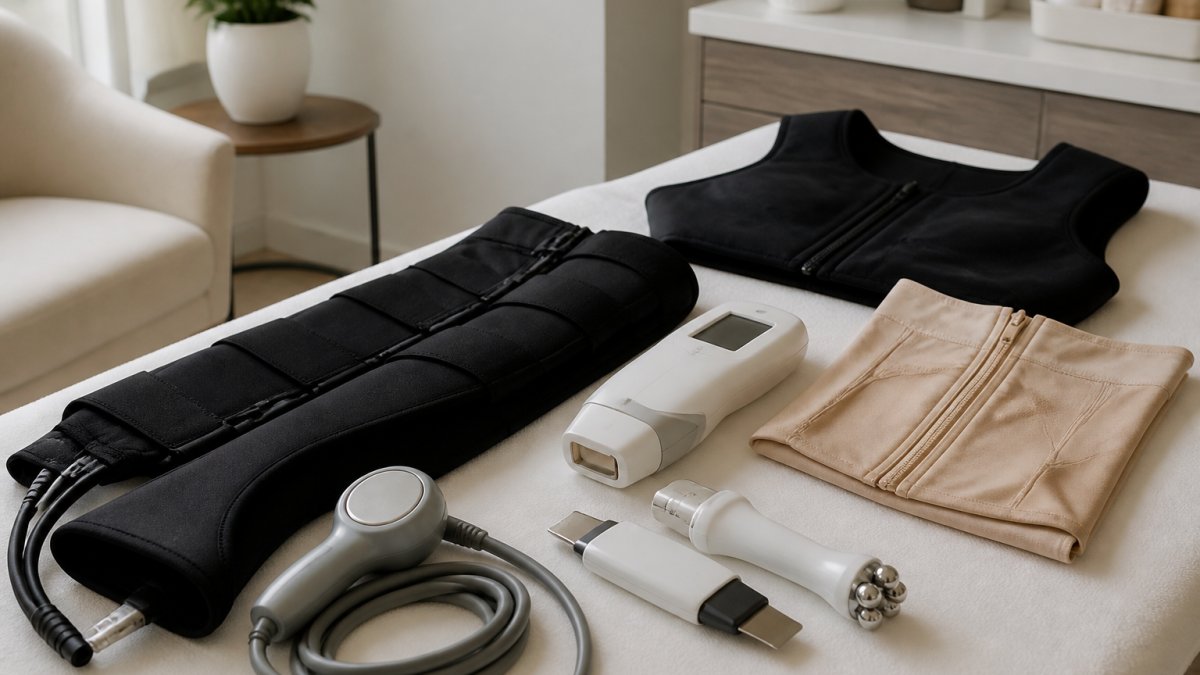
Immediately after your procedure, you'll feel some soreness and tightness in the treated areas. Compression garments help manage swelling and support the healing process. You'll wear these for the first 1-2 weeks continuously, then during the day for an additional 2-4 weeks. Pain is typically mild to moderate and manageable with over-the-counter pain management protocols, most patients don't require narcotic analgesics.
Bruising and swelling peak around days 3-5, then gradually improve. By week two, most bruising begins to fade. By week four, you'll notice significant improvement in contour as swelling continues to resolve. Final results become visible around 3 months as all swelling subsides and the skin tightens.
The post-operative healing process moves quickly because your body wasn't subjected to the stress of general anesthesia. You didn't experience intubation, respiratory suppression, or the systemic effects of anesthetic drugs. Your immune system can focus entirely on healing the surgical site rather than recovering from anesthesia-related stress.
| Recovery Phase | Timeline | Activity Level |
|---|---|---|
| Immediate (0-3 days) | Pain, swelling, bruising | Rest, light walking only |
| Early (4-7 days) | Swelling peaks then decreases | Light activity, no heavy lifting |
| Intermediate (2-4 weeks) | Bruising fades significantly | Resume normal activity, light exercise |
| Advanced (4-12 weeks) | Minimal swelling remains | Full activity, including intense exercise |
Patient Safety and Complication Risks You Should Know
Awake cosmetic surgery carries a different risk profile than procedures under general anesthesia. Understanding these differences helps you make an informed decision.
General anesthesia introduces systemic risks: respiratory complications, adverse drug reactions, nausea and vomiting, and the rare but serious risk of anesthesia-related complications. Intubation carries its own risks, including sore throat and potential airway trauma. Patients under general anesthesia cannot protect their own airway if complications arise.
Awake procedures eliminate these anesthesia-related risks entirely. You maintain your natural protective reflexes, your breathing remains uncompromised, and there's no risk of adverse reactions to intravenous medications. The primary risks associated with awake cosmetic surgery relate to the surgical procedure itself, infection, bleeding, asymmetry, or inadequate results, not to anesthesia complications.
Local anesthesia does carry a small risk of systemic toxicity if too much lidocaine enters the bloodstream at once (pubmed.ncbi.nlm.nih.gov). This is why proper dosing and technique matter enormously. A qualified surgeon calculates the maximum safe dose based on your body weight and monitors you throughout the procedure to catch any signs of toxicity early. Systemic effects are rare and typically mild when they occur.
Infection risk is present with any surgical procedure but is typically lower with awake surgery because there's no immunosuppression from general anesthesia. Your body's natural immune response remains fully active to fight infection.
Choose a surgeon who specializes in awake techniques and can demonstrate extensive experience with the specific procedure you're considering.
Who Is a Good Candidate for Awake Cosmetic Surgery?
Most adults in good overall health are candidates for awake cosmetic surgery. The procedure is particularly well-suited for patients who want to avoid general anesthesia, have busy schedules requiring minimal downtime, or prefer the cost savings of local anesthesia.
Ideal candidates are those with realistic expectations about results and recovery. You should be comfortable remaining awake during your procedure and able to follow post-operative instructions carefully. Patients with significant anxiety about surgery can still be candidates, anxiety management techniques and proper surgeon communication make a substantial difference.
Certain medical conditions may affect candidacy. Uncontrolled high blood pressure, severe heart disease, or bleeding disorders require careful evaluation. Pregnancy is a contraindication for elective cosmetic surgery. Recent use of blood thinners may need adjustment before surgery. A thorough pre-operative consultation with your surgeon will identify any medical factors that affect your suitability for awake procedures.
Age alone is not a limiting factor. Younger patients often appreciate the faster recovery. Older patients benefit from avoiding general anesthesia if they have age-related health concerns. What matters most is your overall health status and ability to tolerate local anesthesia.
The volume of fat being treated influences candidacy. Awake liposuction works beautifully for moderate fat deposits and body contouring. Extensive liposuction involving multiple large areas might be better suited to general anesthesia, though many surgeons successfully perform larger procedures under tumescent anesthesia with experienced patients.
Managing Anxiety and Pain During Your Awake Procedure
Being awake during surgery triggers anxiety for many patients, but effective strategies make the experience manageable and even helping for many people.
Conclusion
The benefits of awake cosmetic surgery are substantial: faster recovery and eliminated anesthesia risks. Local anesthesia and tumescent techniques have evolved into highly effective, safe approaches for body contouring procedures. Patients who choose awake surgery typically return to normal life within days rather than weeks, without sacrificing safety or results.
Frequently Asked Questions
How painful is awake surgery with local anesthesia?
Local anesthesia numbs the surgical site completely, so you shouldn't feel pain during the procedure, only pressure or vibration sensations. Many patients report feeling surprisingly comfortable. Post-operative discomfort is typically mild to moderate and manageable with over-the-counter pain relief, especially compared to recovery from general anesthesia. Your surgeon can discuss specific pain management strategies during your consultation.
What is the typical awake liposuction recovery time?
Most patients return to light activities within 3-5 days and resume normal exercise within 2-3 weeks. Full healing and final results typically appear over 6-8 weeks. Recovery is significantly faster than procedures under general anesthesia because your body avoids the stress of intubation and systemic anesthesia side effects. Individual recovery varies based on the extent of the procedure and your overall health.
Is local anesthesia safe for cosmetic surgery?
Yes, local anesthesia is considered safe for cosmetic surgery when administered by a qualified surgeon. Local anesthesia eliminates the respiratory complications and systemic risks associated with general anesthesia and intubation. The tumescent technique, which combines local anesthesia with fluid infiltration, has an excellent safety profile. Always verify your surgeon is experienced in awake procedures.
Can all cosmetic procedures be done while awake?
Most body contouring procedures, including liposuction, abdominoplasty, breast augmentation, and fat transfers, can be safely performed under local tumescent anesthesia. However, candidacy depends on the procedure's extent, your medical history, and your comfort level. Some complex reconstructive work may require general anesthesia. Your surgeon will evaluate your specific goals during a consultation to determine the best approach.