 ultimate-guide
Awake Breast Augmentation: Safety & Benefits Guide
Table of Contents
- What Is Awake Breast Augmentation?
- Is Local Anesthesia Safe for Surgery?
- How Awake Breast Augmentation Works
- Benefits of Tumescent Anesthesia for Breast Surgery
- Awake Breast Augmentation Recovery Time
- Safety Considerations and Potential Risks
- Who Makes an Ideal Candidate?
- Psychological Preparation for Awake Surgery
- Frequently Asked Questions
Last Updated: September 25, 2026
What Is Awake Breast Augmentation?
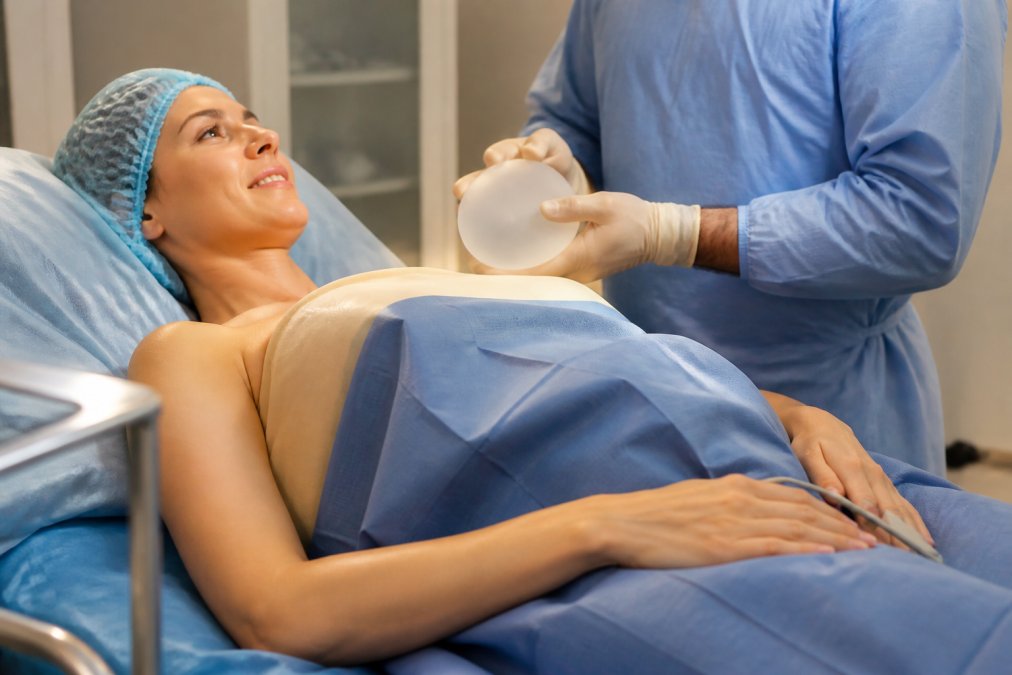
Awake breast augmentation is a cosmetic surgical procedure where patients remain conscious throughout the operation, receiving local tumescent anesthesia instead of general anesthesia. This approach allows surgeons to perform breast implant placement while maintaining patient awareness and responsiveness. At Curved by Lipo, we specialize in awake breast augmentation procedures that prioritize patient safety and comfort by eliminating the risks associated with general anesthesia.
The procedure involves infiltrating the surgical area with a specially formulated local anesthetic solution before the surgeon makes incisions and positions the implants. Because you're awake, you can communicate with your surgical team throughout the process, and your vital signs remain stable without the complications that general anesthesia introduces. This method has gained traction among patients who want to avoid postoperative grogginess, nausea, and the extended recovery periods typical of traditional breast augmentation under general anesthesia.
The key difference lies in anesthetic management. Traditional breast augmentation uses general anesthesia, which requires an anesthesiologist to manage your airway and sedation levels. Awake breast augmentation uses local infiltration with tumescent anesthetic, keeping you conscious and in control. This distinction matters significantly for patient safety, recovery speed, and overall surgical outcomes.
Is Local Anesthesia Safe for Surgery?
Local anesthesia is considered a safe option for surgical procedures when administered correctly by qualified medical professionals in an accredited surgical facility (the American Academy of Dermatology). The safety profile of local anesthesia has been well-established through decades of clinical use in various surgical settings. Unlike general anesthesia, which suppresses your respiratory function and requires airway management, local anesthesia numbs only the surgical area while you remain fully aware.
The tumescent anesthetic technique used in awake breast augmentation involves injecting diluted local anesthetic solution into the tissue layers before surgery begins. This method allows the anesthetic to take effect gradually, providing pain-free sensation throughout the procedure. Because you maintain consciousness, your body's natural protective reflexes remain intact, and your airway is never compromised.
Potential concerns about anesthetic toxicity are minimal when proper dosing protocols are followed. The diluted concentration used in tumescent anesthesia reduces systemic absorption, keeping medication levels well below toxic thresholds (pubmed.ncbi.nlm.nih.gov). Your surgical team monitors vital signs continuously throughout the procedure to ensure your safety and comfort remain optimal.
How Awake Breast Augmentation Works
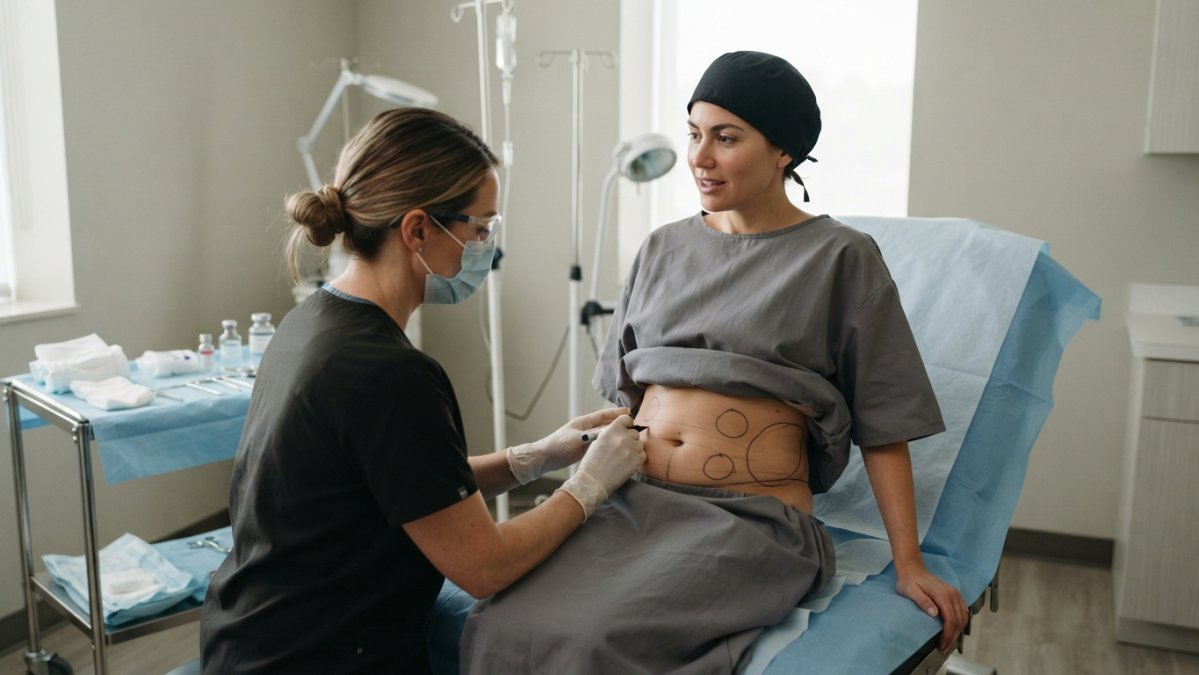
The awake breast augmentation procedure follows a systematic approach designed to maximize patient comfort while delivering precise surgical results. Your surgeon begins by marking the incision sites and determining optimal implant placement based on your desired aesthetic goals.
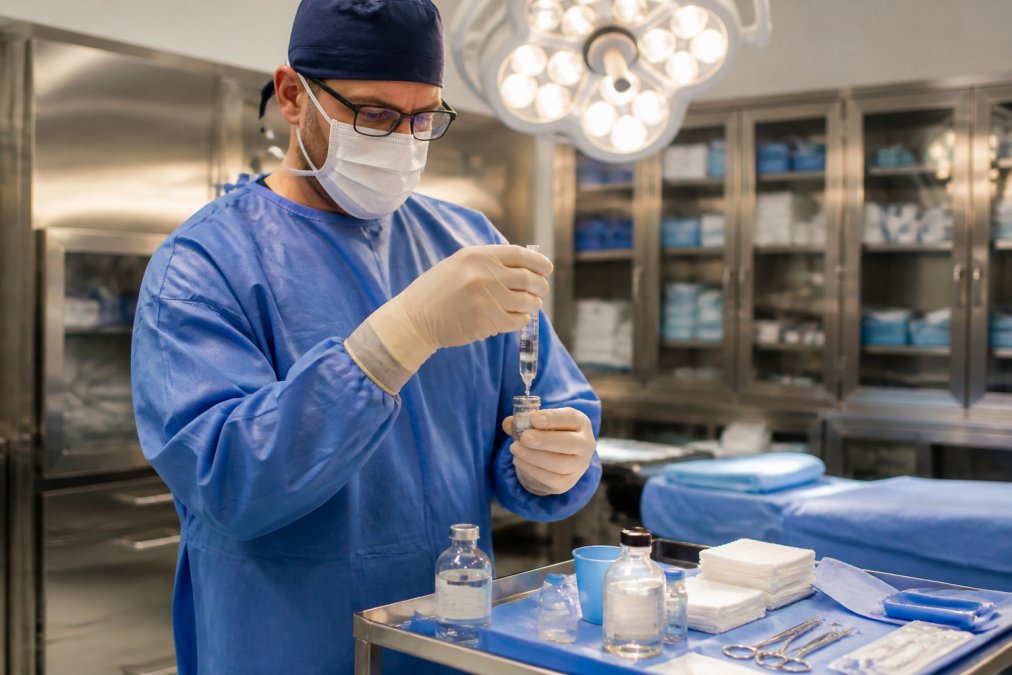
Tumescent Anesthetic Infiltration
Before any surgical instruments are used, your surgeon infiltrates the breast tissue and surrounding areas with tumescent anesthetic solution. This solution contains local anesthetic combined with epinephrine to constrict blood vessels, reducing bleeding and extending anesthetic duration. The infiltration process takes 10 to 15 minutes as the solution gradually distributes throughout the surgical field.
The tumescent technique relies on allowing adequate time for the anesthetic to take full effect. This waiting period ensures complete numbness and allows the epinephrine to reduce bleeding, which improves visibility and precision during implant placement.
You'll feel pressure and vibration during this phase but no sharp pain. The sensation is similar to firm massage rather than cutting. This distinction is crucial for patient comfort and helps explain why many people choose awake procedures over traditional surgery requiring general anesthesia.
Patient Comfort During Surgery
Throughout your awake breast augmentation, you remain in communication with your surgical team. This two-way dialogue allows your surgeon to check on your comfort level and make real-time adjustments to ensure you feel secure throughout the procedure. Many patients report feeling surprisingly relaxed once they realize the anesthetic is working effectively.
Your surgeon will explain each step as it happens, which many patients find reassuring. You might hear the sound of surgical instruments or feel movement, but these sensations lack the pain component. The psychological benefit of remaining conscious and informed cannot be overstated, it reduces anxiety and builds confidence in the surgical process.
Curved by Lipo prioritizes patient comfort by providing clear communication throughout your procedure. Our team ensures you understand what's happening at each stage, which helps you feel more in control and less apprehensive about the surgical experience.
Benefits of Tumescent Anesthesia for Breast Surgery
The tumescent anesthetic approach offers several distinct advantages over traditional general anesthesia for breast augmentation. First, you avoid the systemic effects of general anesthesia entirely. No postoperative grogginess, no nausea, no extended sedation recovery, you wake up from surgery already alert and oriented.
Recovery time after awake breast augmentation is significantly shorter than traditional surgery. Most patients resume light activities within days rather than weeks. The absence of general anesthesia means your body doesn't need to metabolize and eliminate powerful sedative drugs, allowing faster healing and quicker return to normal function.
Pain management is notably improved with tumescent anesthesia. Because the local anesthetic remains in the tissue for several hours after surgery concludes, you experience minimal post-operative pain. Many patients report needing only over-the-counter pain relief rather than prescription narcotics. This reduced reliance on pain medication means fewer side effects and faster overall recovery.
Your surgeon can assess implant positioning in real time while you're sitting upright, ensuring optimal aesthetic results that match your body's natural contours. This intraoperative feedback loop is impossible under general anesthesia and represents a significant advantage for achieving your desired outcome.
Awake Breast Augmentation Recovery Time
Recovery after awake breast augmentation follows a predictable timeline that differs significantly from traditional surgery recovery. Most patients can return home the same day, typically within a few hours after the procedure concludes. You'll need someone to drive you home, but you won't require the extended observation period necessary after general anesthesia.
Safety Considerations and Potential Risks
Like any surgical procedure, awake breast augmentation carries certain risks that you should understand before proceeding. Infection is a possibility with any surgery, though accredited surgical facilities maintain strict sterile protocols to minimize this risk. Choosing a qualified surgeon performing procedures in an accredited facility significantly reduces infection likelihood.
Who Makes an Ideal Candidate?
The best candidates for awake breast augmentation are patients who want to avoid general anesthesia while maintaining realistic expectations about surgical outcomes. You should be in generally good health with no significant medical conditions that would contraindicate local anesthesia. Patients with anxiety about general anesthesia often find awake procedures psychologically preferable.
Psychological Preparation for Awake Surgery
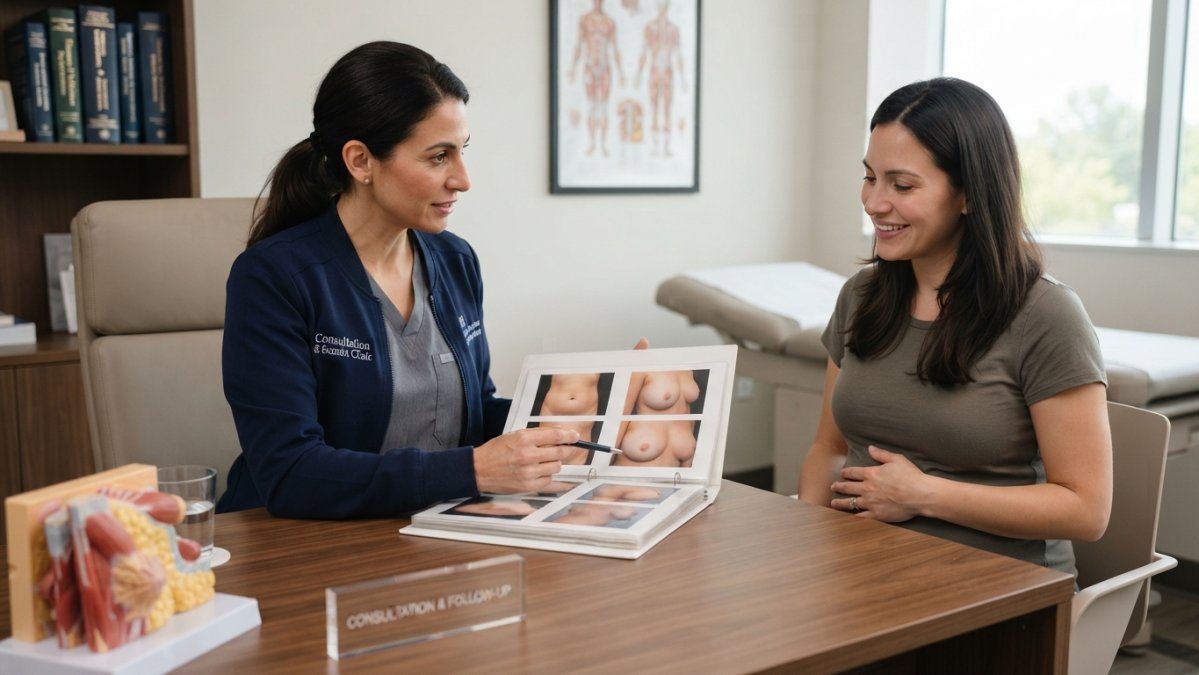
Mental preparation is just as important as physical preparation when choosing awake breast augmentation. Understanding what to expect reduces anxiety and helps you approach the procedure with confidence. Many patients report that knowing what's happening at each step, rather than being unconscious, actually decreases their overall anxiety about surgery.
Frequently Asked Questions
How can I feel comfortable being awake during breast augmentation surgery?
Local tumescent anesthesia numbs the surgical area completely while you remain conscious. The anesthetic is carefully infiltrated into tissues before incisions begin, and your vital signs are monitored throughout. Most patients report feeling pressure and movement but no pain. You can communicate with your surgeon if you need additional anesthetic, and your comfort is continuously assessed. Many patients find the ability to see and hear what's happening actually reduces anxiety compared to general anesthesia uncertainty.
Is local anesthesia safe for surgery like breast augmentation?
Yes, when administered by qualified professionals in an accredited surgical facility. Local anesthesia eliminates risks associated with general anesthesia, including airway manipulation complications and postoperative grogginess. Tumescent anesthesia specifically is designed to minimize anesthetic toxicity by diluting the medication. Your surgeon monitors vital signs continuously, and the procedure can be performed without intravenous sedation or narcotic analgesics, reducing systemic risks significantly.
What is the typical awake breast augmentation recovery time?
Most patients return to light activities within 3-5 days and resume normal routines within 1-2 weeks. Because you avoid general anesthesia, you experience minimal postoperative nausea and fatigue. Full healing takes 4-6 weeks, but the absence of anesthesia-related recovery time means faster overall post-operative recovery. Specific timelines depend on individual healing and your surgeon's recommendations.
What are the main benefits of tumescent anesthesia for breast surgery?
Tumescent anesthesia provides multiple advantages: it enables patients to remain comfortable without general anesthesia side effects. You avoid risks like post-operative nausea and vomiting (PONV), intraoperative respiratory complications, and anesthesia-related fatigue. Recovery is faster with less downtime, and you can provide real-time feedback on symmetry and implant positioning.
What complications should I watch for after awake breast augmentation?
Potential complications include infection, implant malposition, and asymmetry, risks present in any breast surgery. However, awake procedures eliminate anesthesia-related complications. Watch for excessive swelling, unusual pain, signs of infection, or implant shifting. Your surgeon will provide specific post-operative monitoring instructions. Complication rates depend on surgical technique and patient adherence to post-operative care. Contact your surgeon immediately if you notice concerning symptoms.
Can I really achieve aggressive contouring with local anesthesia?
Yes. Tumescent anesthesia allows surgeons to perform comprehensive tissue reshaping while maintaining patient safety. The anesthetic provides hemostasis (reduced bleeding), which improves surgical visibility and control. The extent of contouring depends on your anatomy and surgical goals, not the anesthesia type.
What should I do to prepare psychologically for awake breast surgery?
Preparation reduces anxiety significantly. Schedule a detailed consultation to understand the procedure step-by-step and ask questions. Many patients benefit from discussing their concerns directly with their surgeon beforehand. Some find it helpful to focus on the benefits: faster recovery, no anesthesia side effects, and active participation in achieving their desired results. Trust in your surgeon's experience and the safety protocols in place. Deep breathing techniques and visualization can also help on surgery day.