 ultimate-guide
Fat Transfer Results After Pregnancy: What to Expect
Table of Contents
- What Fat Transfer After Pregnancy Accomplishes
- Breast Volume Restoration After Breastfeeding
- Fat Transfer Breast Augmentation Longevity and Retention
- Awake Abdominoplasty vs Traditional Tummy Tuck for Post-Pregnancy Contouring
- Recovery Timeline and What to Expect Week by Week
- Who Is a Candidate for Fat Transfer After Pregnancy
- Managing Expectations: Natural Results and Future Pregnancies
- Frequently Asked Questions
Last Updated: September 30, 2026
What Fat Transfer After Pregnancy Accomplishes
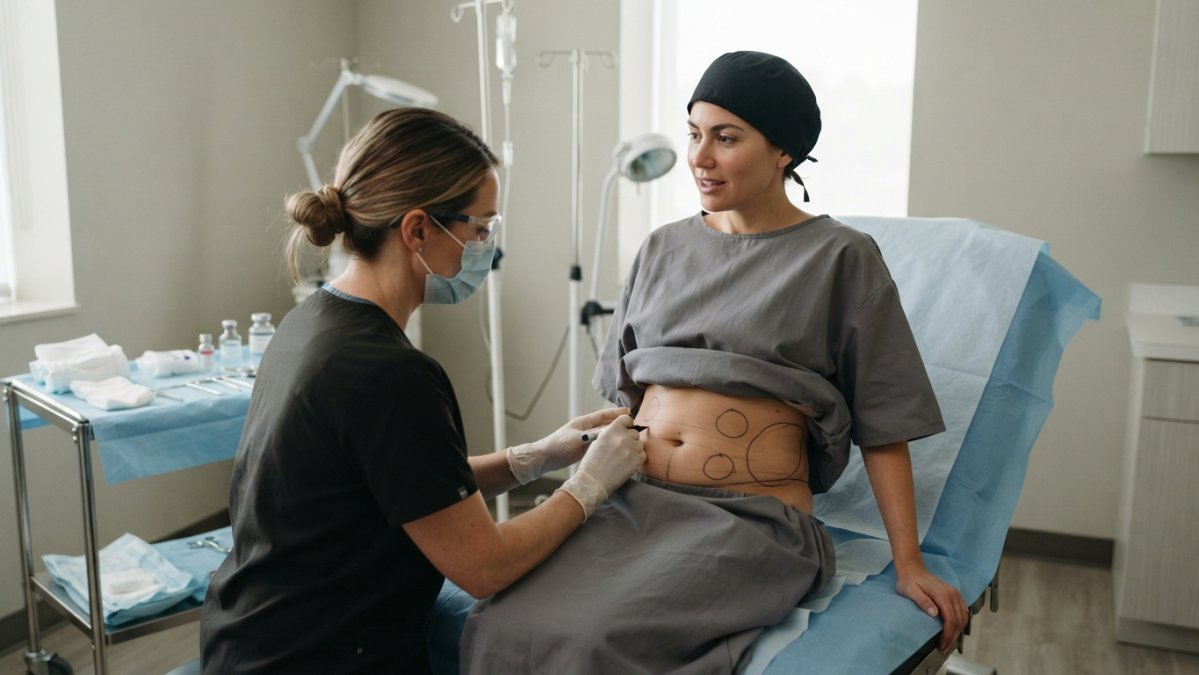
Fat transfer results after pregnancy address one of the most common body composition challenges women face: the loss of breast volume and upper pole fullness that occurs during breastfeeding and postpartum hormonal shifts. This procedure, also called autologous fat grafting, takes excess fat from areas resistant to diet and exercise, typically the abdomen, flanks, or thighs, and strategically injects it into the breast tissue to restore natural contours and volume.
The appeal lies in its dual benefit: you're sculpting problem areas while simultaneously restoring what pregnancy took away. Unlike traditional breast augmentation with implants, fat transfer delivers a result that feels and moves like natural breast tissue. The grafted fat integrates with your existing tissue, creating soft, responsive breasts that age naturally with your body.
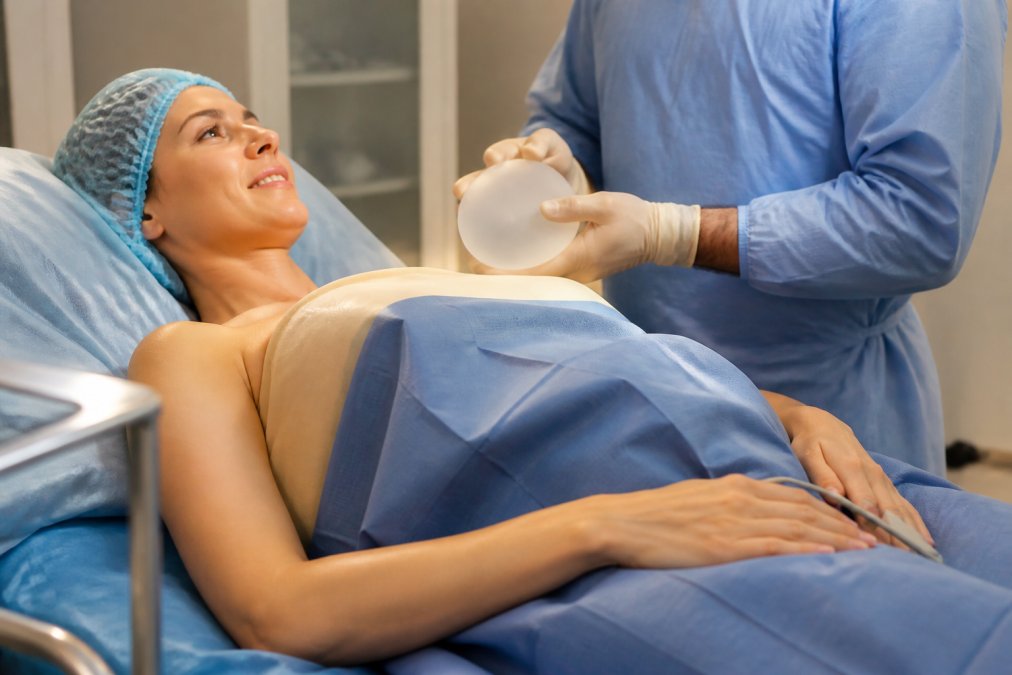
According to research on breast volume restoration techniques, fat grafting has become increasingly popular for post-pregnancy body contouring because it avoids foreign materials and preserves the natural aesthetic that many women seek after having children. At Curved by Lipo, we perform fat transfer under local tumescent anesthesia, meaning you remain awake and comfortable throughout the procedure, a significant advantage over traditional surgical approaches that require general anesthesia and carry associated risks.
The procedure typically corrects deflated breasts, restores upper pole fullness, and improves breast symmetry. It's particularly effective for women who've experienced significant volume loss but want subtle, natural-looking enhancement rather than dramatic size increase.
Breast Volume Restoration After Breastfeeding
Breastfeeding causes measurable changes to breast tissue composition. The glandular tissue that produces milk expands during pregnancy and lactation, then involutes, shrinks, after weaning. This natural process leaves breasts smaller, with less upper pole projection and sometimes noticeable sagging or ptosis. The degree of volume loss varies significantly between individuals based on genetics, skin elasticity, and the duration and intensity of breastfeeding.
Fat transfer directly addresses this by replacing lost volume with living fat cells. The procedure restores the rounded contour of the upper breast and can correct asymmetry that develops during nursing. Many women report that their breasts feel fuller and more youthful, not larger, but restored to what they looked like before pregnancy began.
The timing of fat transfer matters. Most surgeons recommend waiting until at least three to six months after weaning to allow hormonal fluctuations to stabilize and breast tissue to settle into its final post-nursing shape. Attempting the procedure while hormones are still shifting can make it difficult to predict final results and may necessitate revision surgery.
One often-overlooked benefit: fat transfer can be combined with other post-pregnancy contouring. If you're addressing breast volume loss and abdominal laxity or stubborn fat deposits, fat transfer provides the perfect solution, the fat removed from your midsection becomes the grafting material for your breasts.
Fat Transfer Breast Augmentation Longevity and Retention
A critical question every candidate asks: how long does the result last? Fat cell survival rates typically range between 50-80%, depending on surgical technique, patient factors, and post-operative care. This means that if your surgeon transfers 100 milliliters of fat, you might retain 50-80 milliliters permanently. The remaining transferred fat is gradually reabsorbed by your body over the first 6-12 months.
This reabsorption timeline is why patience matters. Your final result doesn't stabilize until approximately one year post-procedure. Some women see their result shrink slightly as the body metabolizes the transferred fat; others maintain nearly all of the initial volume. The variation reflects differences in blood supply to the grafted area, how well the fat cells establish new blood vessels, and individual metabolic factors.
The fat that survives integration becomes a permanent part of your breast tissue. It ages and changes with your body, if you gain weight, the grafted fat will increase slightly; if you lose weight, it will decrease. This is why maintaining stable body weight after fat transfer helps preserve results. Significant weight fluctuations can alter the appearance of both the donor site and the grafted breasts.
Unlike breast implants, there's no foreign material to rupture or require replacement. The longevity of fat transfer results is essentially indefinite for the surviving fat cells, though your breasts will continue to age naturally over time. Some women choose to undergo a second fat transfer procedure years later if they want additional volume restoration or to refresh results.
Awake Abdominoplasty vs Traditional Tummy Tuck for Post-Pregnancy Contouring
When addressing post-pregnancy body changes, many women face a choice: should they pursue fat transfer alone, or combine it with abdominal contouring? This decision often hinges on the extent of skin laxity and whether liposuction alone will achieve their goals.
Traditional abdominoplasty (tummy tuck) under general anesthesia addresses significant skin excess and separated abdominal muscles (diastasis recti) by removing excess skin and tightening the fascia. The procedure requires general anesthesia, typically involves a longer recovery period, and carries the risks associated with systemic anesthesia.
Awake abdominoplasty, performed under local tumescent anesthesia, offers a safer alternative for many patients. You remain conscious throughout, which eliminates the risks of general anesthesia: no nausea, no post-operative confusion, no potential respiratory complications. The local anesthetic keeps you comfortable while allowing the surgeon to assess your positioning and contours in real time.
However, awake abdominoplasty has limitations. It works best for moderate skin laxity and minor muscle separation. Severe diastasis recti or extensive loose skin may require the more extensive approach of traditional surgery. The key is honest assessment during consultation: your surgeon should evaluate whether your specific anatomy is a good candidate for the awake technique.
For fat transfer combined with post-pregnancy contouring, the awake approach is ideal. The fat harvested via liposuction becomes your grafting material, and the local anesthesia keeps you safe and comfortable throughout. You avoid the downtime and risks of general anesthesia while achieving comprehensive body restoration.
Recovery Timeline and What to Expect Week by Week
Recovery from fat transfer after pregnancy is significantly faster than traditional surgical approaches, but it still requires patience and adherence to post-operative guidelines.
Weeks 1-2: Expect swelling, bruising, and mild discomfort at both the donor site (where fat was harvested) and the recipient site (your breasts). You'll wear a compression garment to minimize swelling and support the grafted fat. Most people manage pain with over-the-counter analgesics. Avoid strenuous activity, heavy lifting, and sleeping on your stomach.
Weeks 3-4: Swelling begins to decrease noticeably. You can return to light activity, walking, gentle stretching, normal daily tasks. Most people return to desk work during this window. Avoid high-impact exercise and anything that elevates your heart rate significantly.
Weeks 5-8: You can gradually resume normal exercise, starting with low-impact activities like walking or stationary cycling. By week 8, most people return to full activity, including strength training, though some surgeons recommend waiting until week 12 before resuming intense chest exercises.
Months 3-12: This is the critical integration period. The transferred fat is establishing blood supply and settling into its permanent location. Avoid rapid weight fluctuations, which can compromise fat survival. Your final result stabilizes around month 12.

One significant benefit of awake procedures at Curved by Lipo: you avoid the side effects associated with general anesthesia, such as post-operative nausea and grogginess. Many patients report being surprised by how quickly they feel like themselves again.
Who Is a Candidate for Fat Transfer After Pregnancy
Ideal candidates for fat transfer after pregnancy meet several criteria. You should be in overall good health, at a stable body weight (ideally for at least 3-6 months), and finished with breastfeeding. Your breasts should have adequate glandular tissue and skin elasticity to accommodate the grafted fat.
You need sufficient donor fat available. Women with very low body fat percentages may not have enough excess fat to harvest for meaningful breast augmentation. In these cases, traditional implant-based augmentation may be more appropriate. Conversely, women with moderate to significant stubborn fat deposits, especially in the abdomen, flanks, or thighs, are excellent candidates because the fat removal improves body contours while providing grafting material.
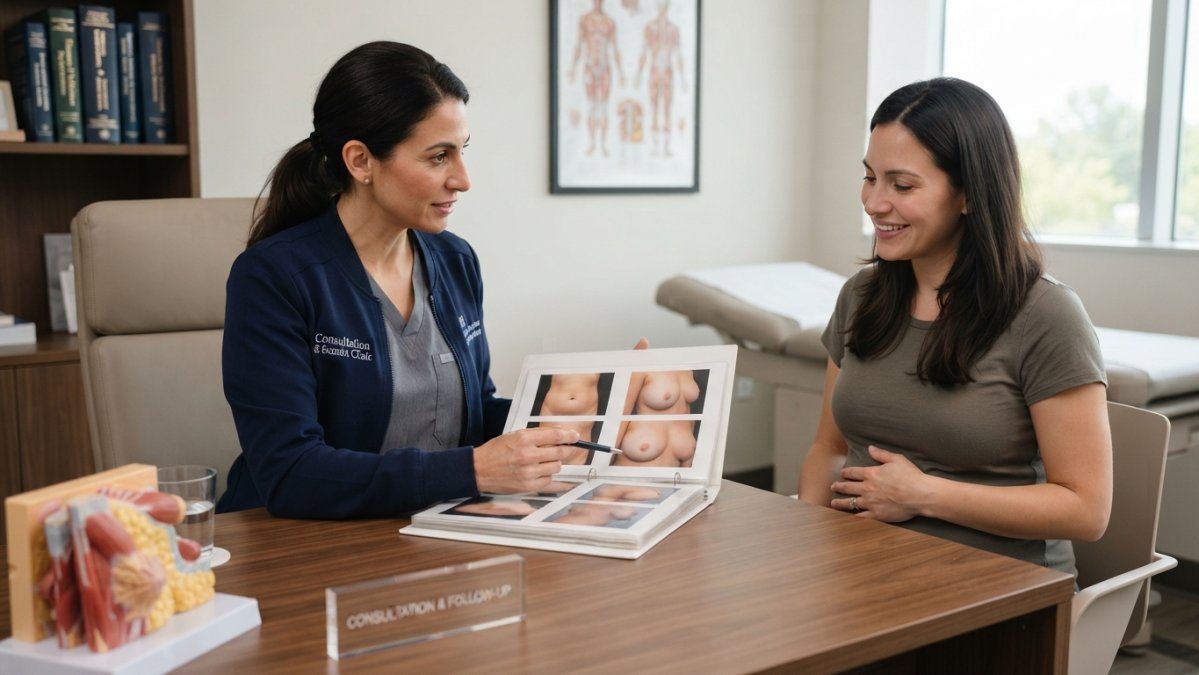
Realistic expectations are non-negotiable. Fat transfer delivers subtle to moderate enhancement, not dramatic size increase. If you're seeking to go from an A cup to a D cup, you'll likely need implants. If you want to restore your pre-pregnancy breast volume or add one cup size, fat transfer can achieve that beautifully.
Your skin quality matters.
Managing Expectations: Natural Results and Future Pregnancies
The most common expectation gap occurs around volume increase. Many women expect fat transfer to significantly enlarge their breasts. In reality, the procedure typically adds 0.5 to 1.5 cup sizes, depending on how much fat survives and how it distributes. This subtle enhancement looks natural because the result is actual breast tissue, not a foreign implant.
Frequently Asked Questions
How long do fat transfer results last after pregnancy?
Fat transfer results are generally stable 12-18 months after the procedure, once the surviving fat cells have established their blood supply. About 50-80% of transferred fat typically survives long-term, depending on surgical technique and post-operative care. Results can shift with significant weight changes, future pregnancies, or aging, but the remaining fat cells behave like your natural tissue and don't disappear unless you lose substantial weight overall.
What is the recovery process for fat transfer after pregnancy?
Most patients return to light activities within 3-5 days and normal exercise within 4-6 weeks. Procedures performed under local tumescent anesthesia allow you to go home the same day without the grogginess of general anesthesia. Swelling and bruising peak around day 3-5, then gradually improve. You'll wear compression garments for 2-3 weeks to support healing and optimize fat survival. Pain is typically mild to moderate and manageable.
Can fat transfer correct breast sagging caused by pregnancy?
Fat transfer adds volume and can improve upper pole fullness, but it addresses volume loss rather than severe sagging (ptosis). If your breasts have significant drooping, a lift procedure may be needed alongside fat transfer for optimal reshaping. Fat transfer works best for women with mild to moderate volume loss and mild sagging. A consultation with a surgeon experienced in post-pregnancy body contouring can determine whether fat transfer alone or a combined approach suits your goals.
How much volume can realistically be added via fat transfer?
Most patients gain 0.5 to 1.5 cup sizes with fat transfer, though results vary based on starting breast size, skin elasticity, and how much fat survives. The procedure is limited by how much fat can be safely harvested from donor sites and how much the breast tissue can accommodate. Subtle, natural-looking enhancement is the goal, dramatic increases typically require implants. Your surgeon will discuss realistic volume targets during consultation based on your body's proportions.