 ultimate-guide
Awake Liposuction for Abdomen and Flanks: What to Expect
Table of Contents
- What Is Awake Liposuction for the Abdomen and Flanks?
- How Awake Liposuction Works: The Tumescent Technique
- Awake Liposuction vs General Anesthesia: Key Differences
- Benefits of Local Anesthesia for Liposuction
- Tumescent Liposuction Recovery Time and Timeline
- Safety Considerations and Realistic Expectations
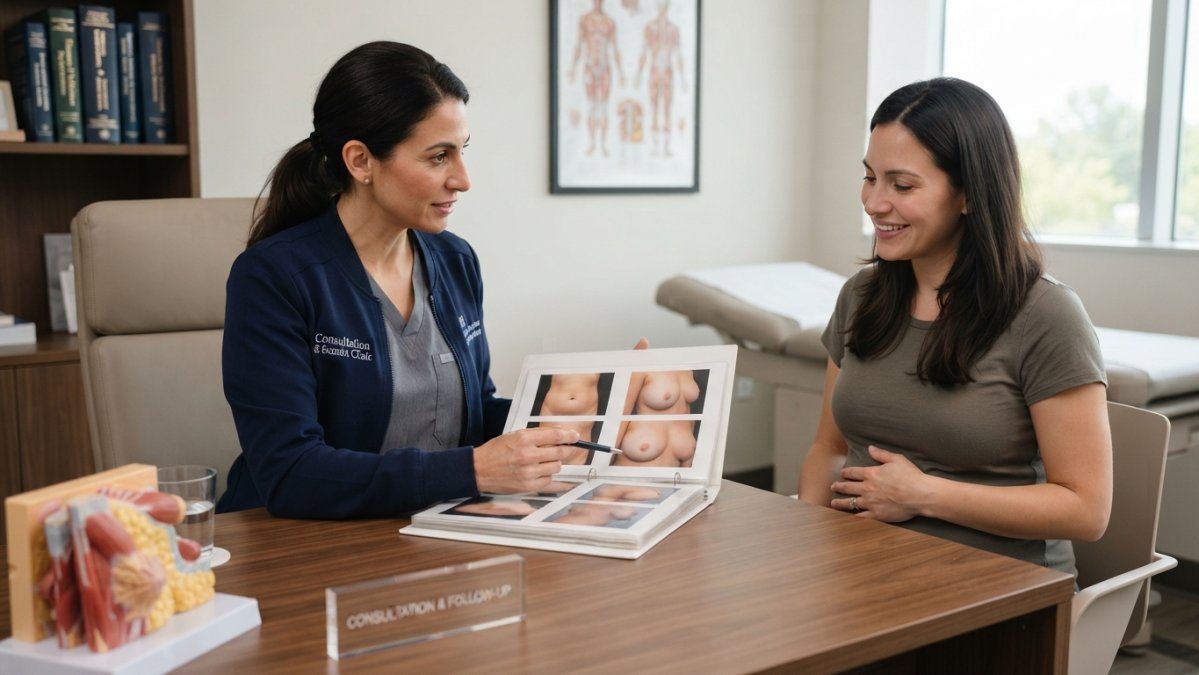
- Is Awake Liposuction Right for You?
- Frequently Asked Questions
Last Updated: October 4, 2026
What Is Awake Liposuction for the Abdomen and Flanks?
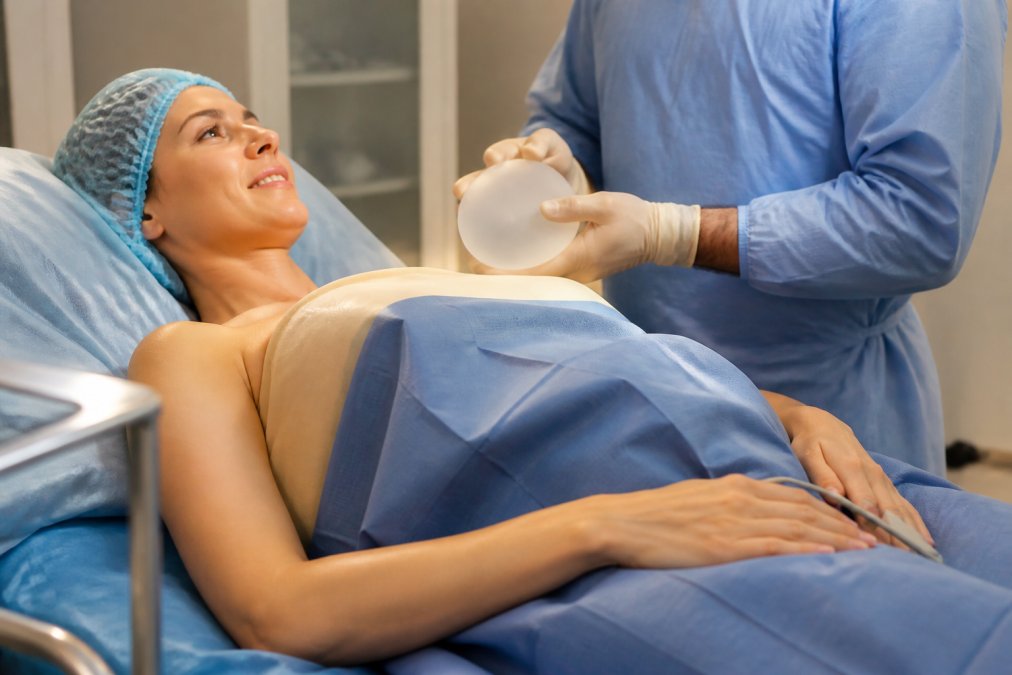
Awake liposuction for abdomen and flanks is a minimally invasive fat removal procedure performed while you remain fully conscious under local anesthesia. Unlike traditional liposuction, this uses tumescent anesthesia, a saline solution with lidocaine and epinephrine, allowing you to stay alert throughout.

At Curved by Lipo, we specialize exclusively in awake liposuction, helping you avoid systemic anesthesia effects while targeting stubborn abdominal and flank fat.
You avoid grogginess, nausea, and post-operative confusion, with faster return to normal activities.
How Awake Liposuction Works: The Tumescent Technique
The tumescent technique is the foundation of awake liposuction for abdomen and flanks. This method involves injecting a large volume of diluted saline solution mixed with lidocaine and epinephrine directly into the subcutaneous fat layer, the fat beneath your skin but above muscle.
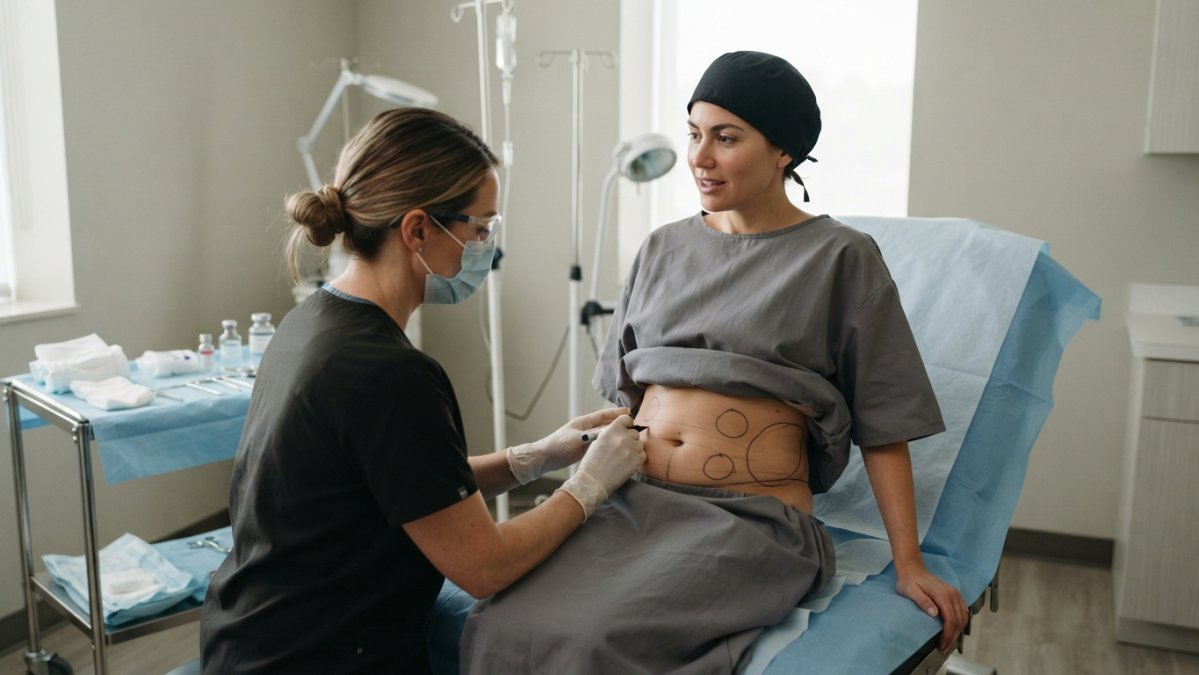
The surgeon marks treatment areas while you're standing, then injects tumescent solution into fat deposits. This numbs the area, swells fat cells for easier removal, and constricts blood vessels to minimize bleeding.
After 15-20 minutes, the surgeon inserts a small cannula and uses gentle motions to suction fat cells. You can communicate discomfort, allowing real-time technique adjustments for symmetrical results.
The tumescent approach eliminates IV lines, narcotics, and systemic anesthesia effects. Your body processes the solution gradually, and healing begins immediately since your system hasn't been stressed by sedation.
Awake Liposuction vs General Anesthesia: Key Differences
The differences between awake liposuction vs general anesthesia go far beyond whether your eyes are open. They affect your safety profile, recovery timeline, and overall experience.
General anesthesia requires continuous monitoring and carries risks: airway complications, allergic reactions, nausea, and prolonged grogginess. Recovery takes hours, with many patients experiencing confusion or drowsiness for the rest of the day.
Awake liposuction avoids systemic effects entirely. You remain conscious with intact reflexes, no airway management needed, and no post-operative confusion. You can walk out alert within hours.
With awake liposuction, the surgeon receives real-time feedback on symmetry by asking you to shift position or tense muscles. General anesthesia removes this feedback loop entirely.
The tumescent solution provides complete numbing, so you feel pressure and vibration but not pain. Awake liposuction patients report less intense post-operative pain.
Awake liposuction patients return to light activity within days and normal routines within 1-2 weeks, compared to longer recovery with general anesthesia.
Benefits of Local Anesthesia for Liposuction
The advantages of benefits of local anesthesia for liposuction extend across safety, recovery, and outcomes.
Local tumescent anesthesia eliminates airway complications, allergic reactions, and nausea. Your vital signs remain stable since your body isn't processing systemic medications, especially valuable if you have health conditions or anesthesia anxiety.
Recovery is faster and less painful. Because your body hasn't been stressed by sedation, healing begins immediately. Most patients experience mild to moderate discomfort, manageable with over-the-counter pain relief, rather than the intense pain that sometimes follows general anesthesia procedures. You can return to desk work within days and light exercise within 1-2 weeks, depending on the extent of fat removal.
Patient comfort during the procedure is often surprising. The tumescent solution provides complete numbing, so you feel pressure and vibration but no pain. Many patients report the experience is less uncomfortable than they expected. Because you're awake and can communicate, the surgeon can adjust technique or add additional anesthesia if needed, ensuring your comfort throughout.
Cost considerations favor local anesthesia. Avoiding general anesthesia eliminates the need for an anesthesiologist, operating room fees associated with sedation protocols, and extended facility time.
Optimal cosmetic results are achievable because the surgeon can assess symmetry and aesthetic definition in real time. Your feedback helps ensure balanced fat removal on both sides of your abdomen and flanks.
Tumescent Liposuction Recovery Time and Timeline
Understanding the tumescent liposuction recovery time helps you plan realistically for your return to normal activities.
The first 24 hours post-procedure are about rest and monitoring. You'll experience some swelling and bruising, this is normal and expected. Most patients can walk around their home and manage basic self-care. Pain is typically mild to moderate and controlled with over-the-counter pain relievers. Compression garments are essential during this phase; they reduce swelling and support the skin as it adapts to its new contours.
By day 3 to 5, many patients feel ready to return to desk work or light activities. Swelling begins to decrease noticeably, though it's still present. Some bruising may be visible, depending on the extent of the procedure. Light walking is encouraged, movement promotes circulation and helps reduce swelling. Most people can manage daily tasks without assistance by this point.
Weeks 2-3 mark a significant turning point. Swelling decreases substantially, and you'll start seeing the initial results of fat removal. Many patients resume light exercise, walking, gentle stretching, during this phase. Compression garment use continues but may be reduced to nighttime wear. Bruising typically fades significantly by week 3.
By week 4, most patients are back to normal routines. You can return to moderate exercise, including cardio and light strength training. Swelling continues to decrease gradually. The majority of visible results are apparent by this point, though final results continue to improve as swelling fully resolves over the next 2-3 months.
Post-operative lymphatic drainage is an important part of recovery that deserves attention. The lymphatic system helps remove excess fluid from the surgical area. Gentle massage, compression garments, and light movement all support lymphatic function. Some patients benefit from professional lymphatic drainage massage starting around week 2, this can accelerate swelling reduction and improve overall recovery comfort.
Sensory return varies by individual. Some numbness or tingling in the surgical area is normal and typically resolves within 4-12 weeks as nerves recover (pubmed.ncbi.nlm.nih.gov). This sensation usually improves gradually without intervention.
Safety Considerations and Realistic Expectations
Awake liposuction for abdomen and flanks is a safe procedure when performed by an experienced surgeon, but understanding the realistic risks and expectations is essential.
The most common post-operative effects are swelling, bruising, and temporary numbness. These are not complications, they're normal healing responses. Swelling typically peaks around day 3-5 and gradually improves over weeks. Bruising fades over 2-4 weeks. Numbness or tingling usually resolves within weeks to a few months as nerves recover.
Serious complications are rare but possible. Infection, while uncommon, can occur at incision sites and is managed with antibiotics. Uneven fat removal or asymmetrical results can happen, particularly if the surgeon lacks experience with awake techniques. Some patients experience contour irregularities or loose skin if excessive fat is removed without adequate skin elasticity. Scarring at incision sites is minimal because the incisions are tiny, but keloid formation is possible in prone individuals.
The most important safety factor is surgeon experience with awake liposuction specifically. General anesthesia allows less precision because the surgeon cannot receive real-time feedback. Awake techniques require a different skill set, understanding how to work with an alert patient, managing comfort continuously, and achieving symmetry through interactive assessment.
Realistic expectations matter enormously. Awake liposuction removes fat cells permanently, but it's not a weight loss procedure or a substitute for healthy habits. If you gain significant weight post-procedure, remaining fat cells can enlarge. The procedure creates better body contours by targeting stubborn fat deposits that resist diet and exercise, it reshapes your silhouette, not your overall weight.
Results continue to improve for 3-6 months as swelling fully resolves. Final results are visible by month 6, though some subtle improvements continue. Skin retraction, the skin's ability to tighten after fat removal, depends on your age and skin elasticity. Younger patients typically see better skin contraction. Older patients with less elastic skin may see excellent fat removal but more modest skin tightening.
Is Awake Liposuction Right for You?
Ideal candidates for awake liposuction for abdomen and flanks typically share several characteristics.
You're a good candidate if you have localized fat deposits in your abdomen or flanks that haven't responded to diet and exercise. This procedure targets stubborn fat, not overall weight loss. If you're within 20-30 pounds of your goal weight with specific problem areas, awake liposuction can create dramatic aesthetic improvement.
Your overall health matters significantly. You should be in generally good health without uncontrolled medical conditions. Certain health issues, severe heart disease, uncontrolled diabetes, or bleeding disorders, may make awake liposuction riskier. A consultation with your surgeon will assess whether you're medically appropriate.
Your anxiety level about general anesthesia is relevant. If you're nervous about being unconscious, have had adverse reactions to anesthesia previously, or simply prefer to remain awake, awake liposuction eliminates that concern entirely.
Realistic expectations are crucial. You need to understand that this procedure reshapes your body by removing fat, it doesn't tighten loose skin or address underlying muscle. If you have significant loose skin, you might benefit from abdominoplasty in addition to liposuction. If you have significant muscle separation (diastasis recti), that requires separate surgical repair.
Your skin elasticity influences results. Younger patients with good skin elasticity see better skin contraction after fat removal. Older patients see excellent fat removal but may have less dramatic skin tightening. This doesn't make you a poor candidate, it means you need realistic expectations about the specific improvements you'll see.
Your commitment to recovery matters. You need to follow post-operative instructions carefully: wear compression garments, avoid strenuous activity for 4-6 weeks, and attend follow-up appointments. Patients who follow these guidelines consistently see better results with fewer complications.
A common concern is whether local anesthesia allows aggressive enough fat removal. The answer is yes. Tumescent anesthesia numbs the entire surgical area completely, allowing the surgeon to remove significant amounts of fat safely. The difference isn't in how much fat can be removed.
Another frequent question involves traveling for the procedure. If you live an hour or more from Corona, plan to arrange transportation for the day of your procedure and possibly the next day. Many patients are comfortable driving themselves after 3-5 days, but individual recovery varies. Having support during the first few days, someone to help with basic tasks, makes recovery more comfortable, though it's not always necessary.
Awake liposuction for abdomen and flanks represents a fundamental shift in how body contouring can be approached. By eliminating the risks and side effects of general anesthesia, this technique prioritizes your safety while delivering precise aesthetic results. At Curved by Lipo, we perform every procedure exclusively under local tumescent anesthesia, allowing you to remain awake and comfortable while we sculpt your ideal silhouette.
Frequently Asked Questions
Will I feel pain during awake liposuction if I'm conscious?
No. Tumescent anesthesia numbs the treatment area thoroughly before the procedure begins. The saline solution containing lidocaine and epinephrine is injected into the subcutaneous fat, blocking nerve signals and ensuring patient comfort throughout. Most patients report feeling pressure or vibration from the cannula, but not pain. The surgeon monitors your comfort continuously and can add more local anesthesia if needed.
What is the primary difference between awake liposuction and traditional liposuction?
Awake liposuction uses local tumescent anesthesia, keeping you conscious and alert throughout the procedure, while traditional liposuction typically relies on general anesthesia, which puts you to sleep and carries systemic effects like nausea, grogginess, and longer recovery. Awake liposuction eliminates these risks, allows real-time feedback from the patient, and results in faster post-operative recovery with minimal downtime.
How long does tumescent liposuction recovery take?
Most patients return to light activities within 3-5 days and normal exercise within 2-3 weeks. Swelling and bruising peak around days 3-5, then gradually improve over 4-6 weeks. Compression garments are worn during this period to support skin retraction and minimize fluid buildup. Full aesthetic results become visible after 8-12 weeks as swelling resolves completely. Recovery is significantly faster than traditional liposuction because there are no general anesthesia side effects.
What are the main risks of awake liposuction for abdominal and flank fat?
Risks are minimal but include temporary swelling, bruising, numbness, and minor asymmetry as the body heals. Rare complications include infection or fluid accumulation, which respond well to conservative treatment. Unlike general anesthesia procedures, awake liposuction eliminates risks of nausea, respiratory complications, and anesthesia reactions. Choosing an experienced surgeon and following post-operative instructions carefully minimizes these risks significantly.