 comparison
Sono Bello Alternatives for Liposuction
Table of Contents
- Surgical vs. Non-Surgical Fat Reduction: Understanding Your Options
- Awake Liposuction Recovery Time and What to Expect
- Benefits of Local Anesthesia in Cosmetic Surgery
- Liposuction Cost for Stubborn Belly Fat: What Affects Pricing
- FDA-Approved Body Contouring Technologies and How They Compare
- Candidates for Fat Removal Procedures and Realistic Expectations
- Long-Term Maintenance and Lifestyle Factors After Body Sculpting
- Frequently Asked Questions
Last Updated: October 2, 2026
Surgical vs. Non-Surgical Fat Reduction: Understanding Your Options
When you're considering fat reduction, the first decision isn't which clinic to choose, it's which type of procedure makes sense for your body and lifestyle. The options break down into two fundamentally different categories: surgical interventions that permanently remove fat cells, and non-invasive technologies that destroy or reduce fat without incisions.
Surgical fat removal, particularly liposuction and its variations, offers immediate and dramatic results. A surgeon physically removes adipose tissue through small incisions, reshaping the area in a single session. Non-surgical alternatives like CoolSculpting and EMSCULPT NEO work differently: they use controlled energy (freezing or electromagnetic pulses) to damage fat cells gradually, which your body then eliminates over weeks or months.
The choice between them hinges on three factors: how much fat you need removed, how quickly you want results, and how much downtime you can tolerate. For stubborn belly fat that won't respond to diet and exercise, liposuction alternatives range from minimally invasive procedures under local anesthesia to completely non-invasive treatments that require zero recovery time.
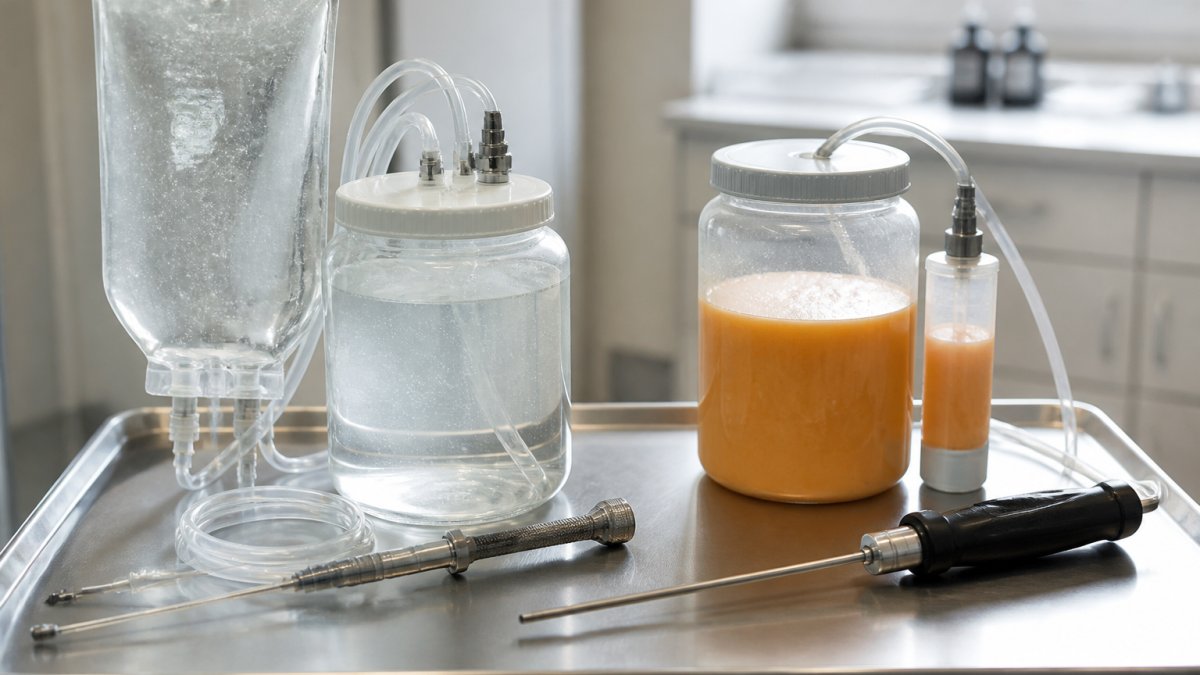
At Curved by Lipo, we specialize in awake liposuction performed under local tumescent anesthesia, a middle ground that delivers surgical results without the risks of general anesthesia. But understanding the full spectrum helps you make an informed decision about what's right for your situation.
Awake Liposuction Recovery Time and What to Expect
The recovery timeline for liposuction varies dramatically depending on the anesthesia method used. Traditional liposuction under general anesthesia typically requires 2-3 weeks of limited activity. Awake liposuction recovery time is significantly shorter because your body hasn't experienced the systemic stress of general anesthesia.
With local tumescent anesthesia, most patients return to light activities within 3-5 days and resume normal exercise within 2-3 weeks. The key difference: you're not recovering from anesthesia itself, only from the surgical trauma to the tissue. Swelling peaks around day 3-5 and gradually subsides over 4-6 weeks. Compression garments worn during this period help minimize swelling and support optimal contouring results.
Non-surgical alternatives offer even faster recovery. CoolSculpting requires zero downtime, you can return to work immediately. EMSCULPT NEO also has no recovery period, though you'll see gradual results over 2-3 months rather than immediate changes. BodyTite, which uses radiofrequency to assist liposuction, typically involves 1-2 weeks of downtime, positioning it between awake liposuction and non-surgical options.
The trade-off is predictable: faster recovery usually means slower or less dramatic results. If you have a specific event in 2 weeks and need maximum fat reduction, surgical liposuction alternatives are your only realistic option. If you have months to wait and want zero disruption to your schedule, non-invasive body contouring makes sense.
Benefits of Local Anesthesia in Cosmetic Surgery
Local anesthesia fundamentally changes the risk profile of cosmetic procedures. When you remain awake during surgery, your body doesn't experience the physiological stress of general anesthesia, no intubation, no sedation medications, no post-operative nausea or grogginess.
The benefits of local anesthesia extend beyond safety. You're conscious throughout the procedure, which means the surgeon can communicate with you about positioning and results in real time. If you want more contouring in one area or less in another, you can provide feedback immediately. This real-time collaboration often produces better aesthetic outcomes than procedures where the surgeon works without patient input.
Pain management is another advantage that surprises patients. Local tumescent anesthesia numbs the entire treatment area thoroughly. Most patients report feeling pressure and vibration but no sharp pain. Without the metabolic stress of general anesthesia, post-operative pain is typically mild, many patients manage discomfort with over-the-counter pain relievers rather than prescription narcotics.
The absence of intravenous lines and narcotic analgesics means fewer complications and faster recovery. You're not managing anesthesia side effects like nausea, dizziness, or cognitive fog. You can eat, drink, and move around normally within hours. For busy professionals and parents who can't afford extended downtime, this distinction matters enormously.
Non-surgical alternatives eliminate anesthesia concerns entirely, but they sacrifice the precision and dramatic results of surgical intervention. You get safety and convenience at the cost of less aggressive fat reduction and slower visible changes.
Liposuction Cost for Stubborn Belly Fat: What Affects Pricing
Pricing for liposuction alternatives varies widely based on several factors: the amount of fat being removed, the number of body areas treated, the technology or technique used, and your geographic location. Traditional liposuction may incur additional costs due to general anesthesia and operating room fees.
For stubborn belly fat specifically, pricing depends on whether you're treating just the abdomen or combining it with flanks and love handles. Treating multiple areas in one session costs more than a single area, but less per area than treating them separately. The complexity of your case also matters, if you have significant skin laxity alongside excess fat, you may need combined procedures like abdominoplasty, which increases the investment.
Non-surgical alternatives like CoolSculpting and EMSCULPT NEO typically charge per treatment session, and most patients need multiple sessions for optimal results. This can add up quickly. BodyTite, which combines radiofrequency with liposuction, is another option to consider.
The most important pricing consideration is value per result. The cheapest option isn't always the best investment if it requires multiple sessions or delivers minimal fat reduction. Awake liposuction delivers surgical-grade results in a single session with lower anesthesia costs than general anesthesia procedures.
For accurate pricing on your specific situation, consultation with a board-certified surgeon is essential. They can assess your anatomy and recommend the most cost-effective approach for your goals.
FDA-Approved Body Contouring Technologies and How They Compare
Several FDA-approved technologies compete in the body contouring space, each with different mechanisms and results profiles. Understanding how they work helps you evaluate which fits your needs.
CoolSculpting uses cryolipolysis, controlled freezing, to damage fat cells, which your body then eliminates naturally over 8-12 weeks. It's non-invasive, requires no downtime, and is FDA-cleared for fat reduction. The limitation: results are gradual and modest. Most patients see fat reduction in treated areas after one cycle, though multiple cycles improve results.
EMSCULPT NEO combines radiofrequency heating with high-intensity focused electromagnetic energy to simultaneously burn fat and build muscle. It's FDA-cleared and non-invasive, with no recovery time. Results appear over 4-6 weeks. It's particularly effective for patients who want muscle definition alongside fat reduction, though the fat reduction is less aggressive than surgical methods. (Source: American Society of Plastic Surgeons' statistics on cosmetic procedures)
BodyTite uses radiofrequency-assisted liposuction to melt fat while contracting skin.
| Technology | Invasiveness | Downtime | Results Timeline | Best For |
|---|---|---|---|---|
| CoolSculpting | Non-invasive | Zero | 8-12 weeks | Minimal fat, zero downtime requirement |
| EMSCULPT NEO | Non-invasive | Zero | 4-6 weeks | Muscle definition with modest fat loss |
| BodyTite | Minimally invasive | 1-2 weeks | Immediate | Moderate fat with skin laxity |
| Awake liposuction | Surgical | 2-3 weeks | Immediate | Significant fat removal, avoid general anesthesia |
| Traditional liposuction | Surgical | 3-4 weeks | Immediate | Large-volume fat removal |
Candidates for Fat Removal Procedures and Realistic Expectations

Long-Term Maintenance and Lifestyle Factors After Body Sculpting
A common misconception about liposuction is that results are permanent and require no maintenance. The truth is more nuanced: the fat cells removed are gone permanently, but your body can still gain weight in treated and untreated areas.
Frequently Asked Questions
How does awake liposuction compare to traditional liposuction under general anesthesia?
Awake liposuction performed under local tumescent anesthesia eliminates the risks associated with general anesthesia, such as nausea, prolonged grogginess, and respiratory complications. Patients remain conscious and comfortable throughout the procedure, with no intravenous sedation required. Recovery is typically faster, with less post-operative pain and a quicker return to normal activities. Traditional liposuction under general anesthesia may allow for more aggressive contouring in a single session but carries inherent surgical and anesthetic risks that local anesthesia procedures avoid.
What are the safety benefits of local tumescent anesthesia in cosmetic surgery?
Local tumescent anesthesia provides a safer alternative by keeping patients awake and alert during the procedure. This approach eliminates risks of general anesthesia complications, including aspiration, malignant hyperthermia, and prolonged recovery effects. The tumescent solution contains lidocaine and epinephrine, which numb the treatment area and constrict blood vessels to minimize bleeding and bruising. Patients can communicate with their surgeon during the procedure, allowing for real-time feedback and precise body sculpting. There is no need for intubation, no narcotic analgesics required, and post-operative nausea is virtually eliminated.
What factors affect liposuction cost for stubborn belly fat?
Several factors influence pricing for abdominal liposuction, including the volume of fat to be removed, the number of treatment areas, the specific technique used (traditional suction-assisted, ultrasound-assisted, or radiofrequency-assisted), surgeon experience and credentials, facility overhead, and geographic location. The extent of skin laxity requiring additional contouring or skin tightening also impacts cost. For accurate pricing tailored to your specific needs and body composition, consult directly with a cosmetic surgeon who can assess your candidacy and provide a detailed treatment plan.
Are non-invasive fat reduction treatments as effective as surgical liposuction?
Non-invasive treatments like cryolipolysis and HIFEM technology offer gradual fat reduction with zero downtime, making them ideal for patients seeking minimal recovery time. However, they typically produce more modest results than surgical liposuction and work best on small to moderate fat deposits. Surgical liposuction provides immediate, dramatic volume reduction and permanent fat cell removal, making it more effective for significant stubborn fat resistant to diet and exercise. The choice depends on your goals, timeline, and tolerance for downtime.
What should I look for when choosing a liposuction provider?
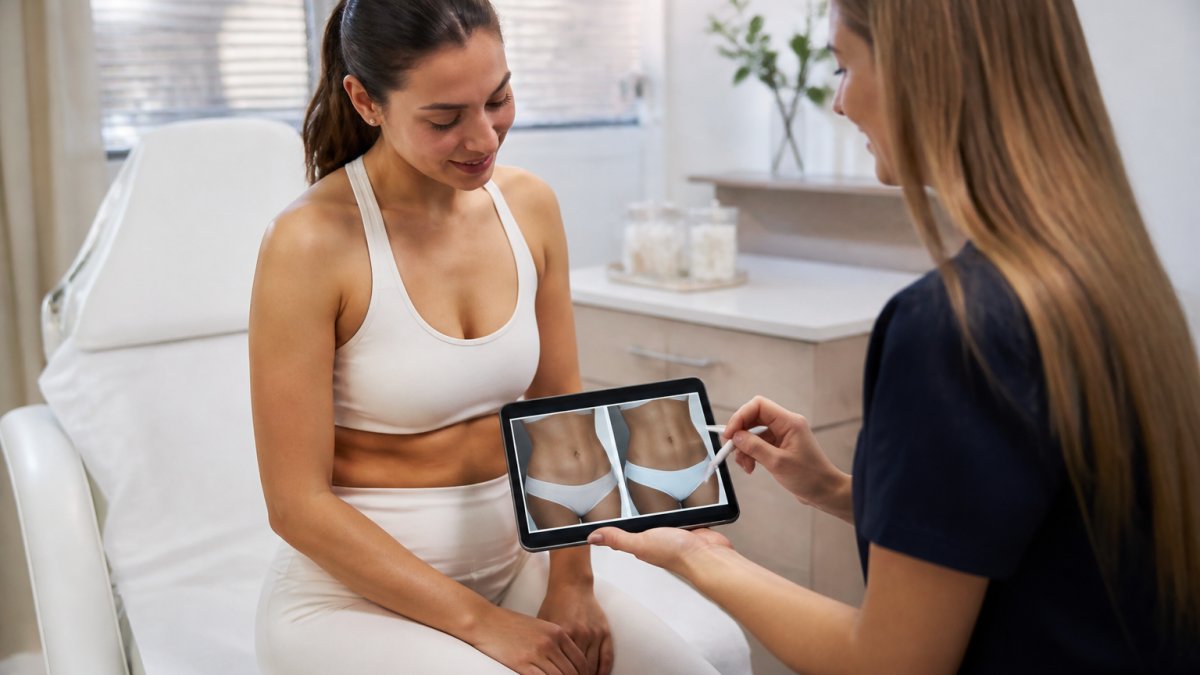
Review before-and-after photos from actual patients to assess aesthetic outcomes and consistency. Ask about their experience with your specific body areas and preferred technique. Understand their approach to anesthesia, recovery protocols, and revision policies. Request references or patient testimonials. Ensure the facility is accredited and discuss post-operative support. A thorough consultation should address your concerns about safety, realistic expectations, and long-term results.