 comparison
Tumescent vs Traditional Liposuction: Key Differences
Table of Contents
- Tumescent vs Traditional Liposuction: Overview and Comparison
- How Tumescent Liposuction Works
- Benefits of Local Anesthesia for Liposuction
- What to Expect During Awake Liposuction
- Awake Liposuction Recovery Time and Post-Operative Care
- Safety Profiles: Anesthesia Risks and Blood Loss Reduction
- Long-Term Results and Patient Suitability by Body Area
- Conclusion
- Frequently Asked Questions
Last Updated: September 28, 2026
Tumescent vs Traditional Liposuction: Overview and Comparison
When it comes to body contouring, understanding tumescent vs traditional liposuction fundamentally changes your surgical experience, recovery timeline, and safety profile. Tumescent liposuction uses local anesthesia with infiltrated fluid to minimize bleeding and trauma, while traditional liposuction relies on general anesthesia and carries greater systemic risks. At Curved by Lipo, we specialize exclusively in tumescent techniques, keeping you awake, comfortable, and in control throughout your procedure.
The difference isn't just technical. It's about how you experience surgery, how quickly you heal, and whether you face the complications associated with general anesthesia. This guide breaks down exactly what separates these two approaches so you can make an informed decision about which method aligns with your goals and health profile.
Quick Comparison Table
| Aspect | Tumescent Liposuction | Traditional Liposuction |
|---|---|---|
| Anesthesia Type | Local (lidocaine + epinephrine) | General anesthesia |
| Patient Awareness | Awake throughout procedure | Unconscious |
| Blood Loss | Minimal (vasoconstriction reduces bleeding) | Moderate to significant |
| Recovery Time | 3-7 days for light activity | 2-3 weeks typical |
| Post-Op Pain | Mild to moderate | Moderate to severe |
| Procedure Duration | Typically longer | Shorter |
| Anesthesia Risks | Minimal systemic effects | Nausea, respiratory issues, allergic reactions possible |
| Swelling & Bruising | Reduced due to infiltrated fluid | More pronounced |
| Outpatient Feasible | Yes, same-day discharge | Usually requires overnight stay |
| Cost Profile | Generally more affordable | Higher due to facility/anesthesia fees |
How Tumescent Liposuction Works
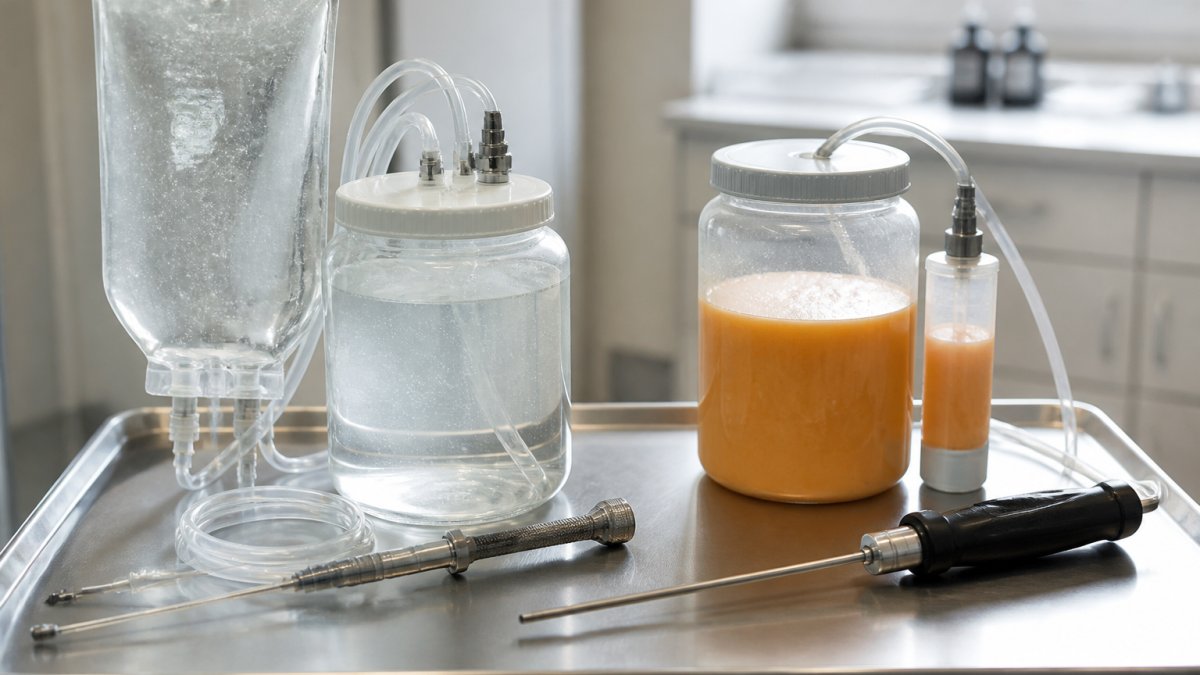
Tumescent liposuction operates on a principle: flood the surgical area with dilute anesthetic solution before removing fat. The surgeon injects large volumes of tumescent solution, a mixture of lidocaine, epinephrine, and saline, directly into the subcutaneous fat layer. This accomplishes three critical things simultaneously.
First, the lidocaine provides local anesthesia so you feel pressure and vibration but no pain. Second, the epinephrine causes vasoconstriction, dramatically reducing blood flow to the area. This means minimal bleeding during fat removal, a major safety advantage. Third, the fluid infiltration makes fat easier to extract and helps preserve skin quality by maintaining tissue hydration.
The surgeon then uses thin cannulas (small hollow tubes) to gently dislodge and suction the fat. Because the area is already numbed and the bleeding is controlled, the procedure can be more precise and less traumatic to surrounding tissues. The entire process typically takes 1-3 hours depending on the volume of fat being removed and the body areas being treated.
What makes this approach different from traditional liposuction isn't just the anesthesia choice, it's the entire surgical philosophy. Instead of relying on general anesthesia to keep you unconscious through tissue trauma, tumescent techniques minimize trauma from the start, which is why you can remain awake without discomfort.
Benefits of Local Anesthesia for Liposuction
Local anesthesia eliminates the systemic risks that come with general anesthesia, no intubation, no respiratory depression, no post-operative nausea. Your body doesn't experience the physiological stress of being chemically unconscious, which translates to faster recovery and fewer complications.
When you remain awake during your procedure, your airway stays uncompromised and your breathing remains natural. This matters more than it sounds. General anesthesia carries well-documented risks: aspiration, allergic reactions, prolonged nausea, and in rare cases, serious cardiovascular events. Local anesthesia eliminates these concerns entirely because your nervous system remains in control.
The vasoconstriction from epinephrine in the tumescent solution provides another layer of safety. By constricting blood vessels, epinephrine reduces blood loss during the procedure, sometimes to just a few milliliters for large-volume liposuction. Traditional liposuction under general anesthesia often involves more significant bleeding, which increases the need for fluid replacement and raises infection risk.
Recovery is noticeably faster with local anesthesia. You won't experience the grogginess, confusion, or nausea that many patients report after waking from general anesthesia. Many patients describe feeling alert and even euphoric shortly after their tumescent procedure ends. You can walk out the same day, drive home (with a companion), and resume light activities within days rather than weeks.
What to Expect During Awake Liposuction
Awake liposuction begins with numbing. Your surgeon injects the tumescent solution into the treatment areas using a fine needle. You'll feel pressure and a cool sensation as the fluid infiltrates the subcutaneous fat, but no sharp pain. This infiltration phase typically takes 15-30 minutes depending on the volume needed.
Once the area is fully numbed and the epinephrine has time to work (usually 10-15 minutes), the surgeon makes small incisions, typically 2-3 millimeters, just large enough for the cannula to pass through. You'll feel vibration and pressure as the cannula moves through the fat layer, but not cutting or burning sensations. Many patients describe it as a strange but not painful experience, similar to the feeling of deep tissue massage, but in a surgical context.
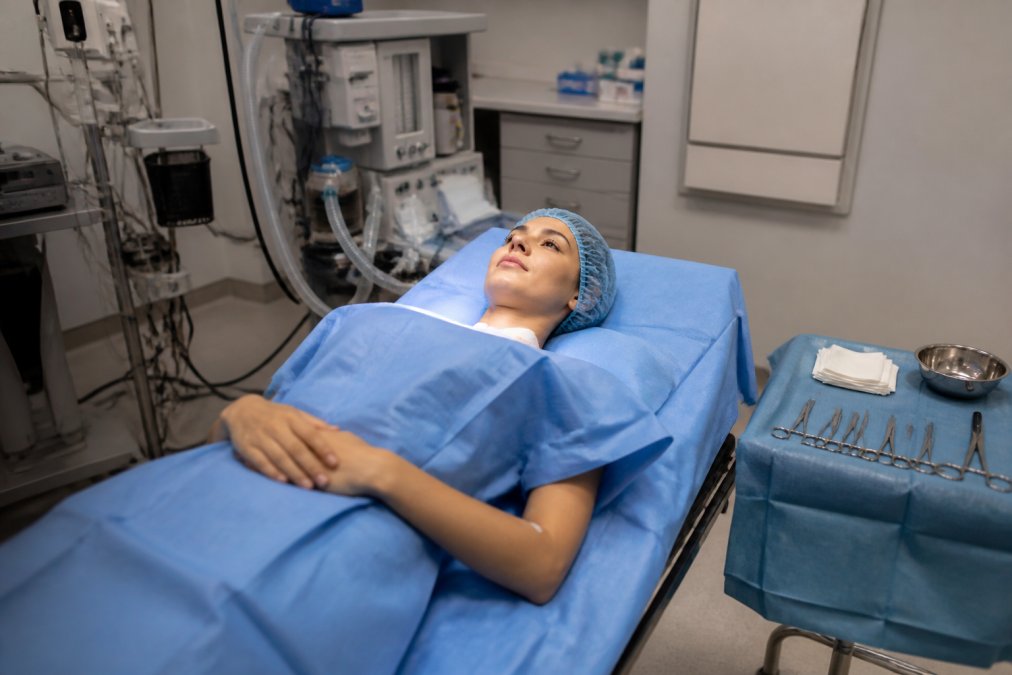
Throughout the procedure, you can communicate with your surgeon. If you need a break, you can ask for one. If an area feels uncomfortable, your surgeon can add more local anesthetic. This real-time feedback loop is impossible under general anesthesia and represents a genuine safety advantage, your surgeon knows exactly how you're tolerating the procedure because you're telling them.
The procedure itself typically lasts 1-3 hours depending on how much fat is being removed and how many body areas are being treated. You'll remain conscious the entire time, hearing the equipment, feeling the vibrations, and maintaining awareness of what's happening.
Awake Liposuction Recovery Time and Post-Operative Care
The recovery timeline for tumescent liposuction is dramatically faster than traditional liposuction under general anesthesia. Most patients return to light activities, desk work, short walks, basic household tasks, within 3-7 days. Full recovery to normal exercise and strenuous activity typically takes 4-6 weeks, though individual variation exists based on the extent of the procedure.
Safety Profiles: Anesthesia Risks and Blood Loss Reduction
Traditional liposuction under general anesthesia carries inherent systemic risks. General anesthesia suppresses your respiratory system, requires intubation, and affects your cardiovascular function. While serious complications are rare in healthy patients, they do occur: aspiration pneumonia, allergic reactions to anesthetic agents, cardiac arrhythmias, and post-operative nausea and vomiting affect a meaningful percentage of general anesthesia patients.
Long-Term Results and Patient Suitability by Body Area
Long-term aesthetic outcomes depend more on surgical technique and patient selection than on anesthesia choice. Both tumescent and traditional liposuction can produce excellent, lasting results when performed by experienced surgeons. The fat cells removed don't return; if you maintain stable weight, the contoured appearance persists indefinitely.
Conclusion
The choice between tumescent and traditional liposuction isn't just about anesthesia preference, it's about fundamentally different surgical philosophies. Tumescent liposuction prioritizes safety by minimizing trauma from the start, allowing you to remain awake, comfortable, and in control. Traditional liposuction relies on general anesthesia to manage the trauma inherent in the procedure.
Frequently Asked Questions
Is tumescent liposuction safer than traditional liposuction?
Tumescent liposuction uses local anesthesia with lidocaine and epinephrine instead of general anesthesia, which eliminates risks associated with sedation such as respiratory complications and adverse reactions to systemic anesthetics. The tumescent technique also reduces blood loss through vasoconstriction, minimizing surgical trauma. Traditional liposuction typically requires general anesthesia, which carries inherent risks. Most patients experience fewer post-operative complications with tumescent methods, though all surgical procedures carry some risk. Consult a qualified surgeon to discuss your specific health profile.
What are the primary recovery differences between tumescent and traditional liposuction?
Tumescent liposuction generally offers faster recovery because it avoids general anesthesia side effects like nausea, grogginess, and prolonged fatigue. Patients can often resume light activities within days rather than weeks. Traditional liposuction recovery typically takes longer due to general anesthesia effects and often greater surgical trauma. Swelling and bruising may persist longer with traditional methods. Both procedures require compression garments and activity restrictions, but awake liposuction patients typically report less pain and need fewer pain medications during recovery.
Does tumescent liposuction require general anesthesia?
No. Tumescent liposuction is performed exclusively under local anesthesia, meaning patients remain awake throughout the procedure. The surgeon infiltrates the target area with tumescent solution containing lidocaine and epinephrine, numbing the tissues while also reducing bleeding. This approach eliminates the need for intravenous sedation or general anesthesia, reducing systemic risks and allowing patients to go home the same day as an outpatient procedure.
How does the tumescent technique minimize blood loss during surgery?
The tumescent solution contains epinephrine, a vasoconstrictor that tightens blood vessels in the treated area. This reduces bleeding at the surgical site and minimizes bruising. The infiltrated fluid also separates fat cells from surrounding tissues, allowing the surgeon to remove fat more precisely with less trauma. Traditional liposuction without this technique typically results in greater blood loss and more extensive bruising, requiring longer recovery periods.
What is the best type of liposuction to get?
The best liposuction method depends on your goals, body area, health status, and downtime tolerance. Tumescent liposuction suits patients who want minimal downtime, prefer to avoid general anesthesia, and seek safe outpatient procedures. It works well for multiple body areas and delivers excellent long-term results. Traditional liposuction may be considered for extensive contouring but carries higher anesthesia risks. Consult with a board-certified surgeon who can assess your specific needs and recommend the approach that best matches your goals and medical history.