 ultimate-guide
What to Expect During Awake Liposuction
Table of Contents
- What Happens During Awake Liposuction
- Awake Liposuction vs General Anesthesia: Key Differences
- Pain Management and Comfort During the Procedure
- The Role of Tumescent Anesthesia in Your Experience
- Tumescent Anesthesia Recovery Time and Healing
- What to Expect in the Days and Weeks After Surgery
- Preparing Mentally and Physically for Awake Surgery
- Frequently Asked Questions
Last Updated: September 21, 2026
What Happens During Awake Liposuction
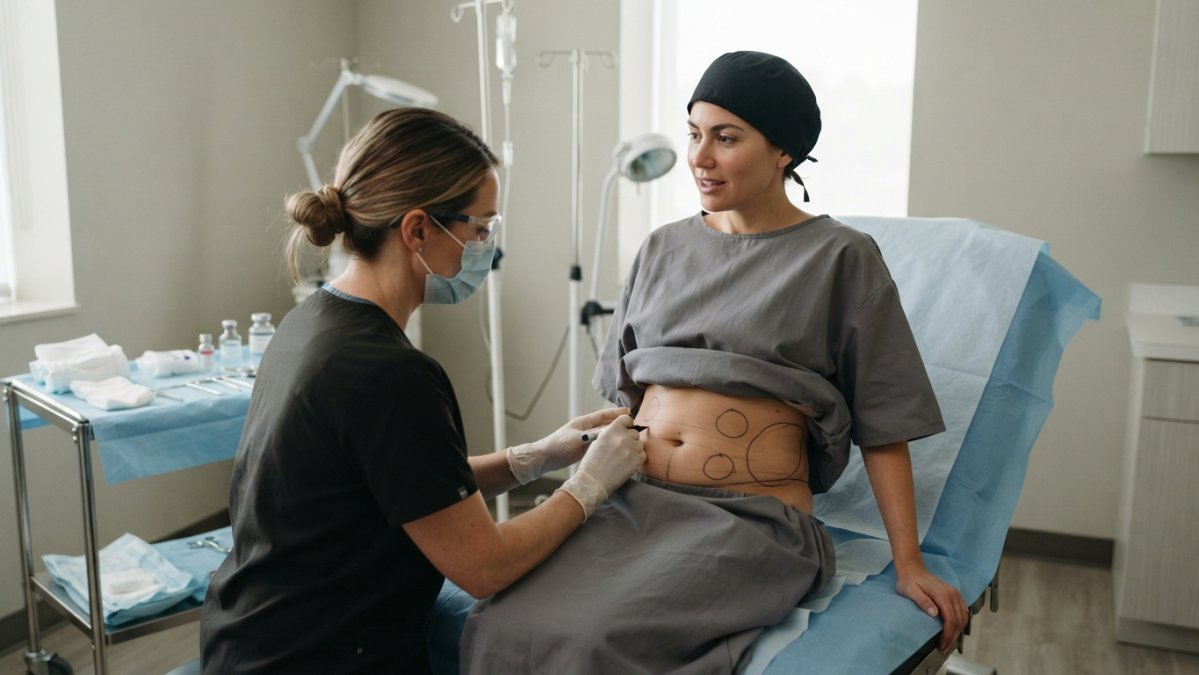
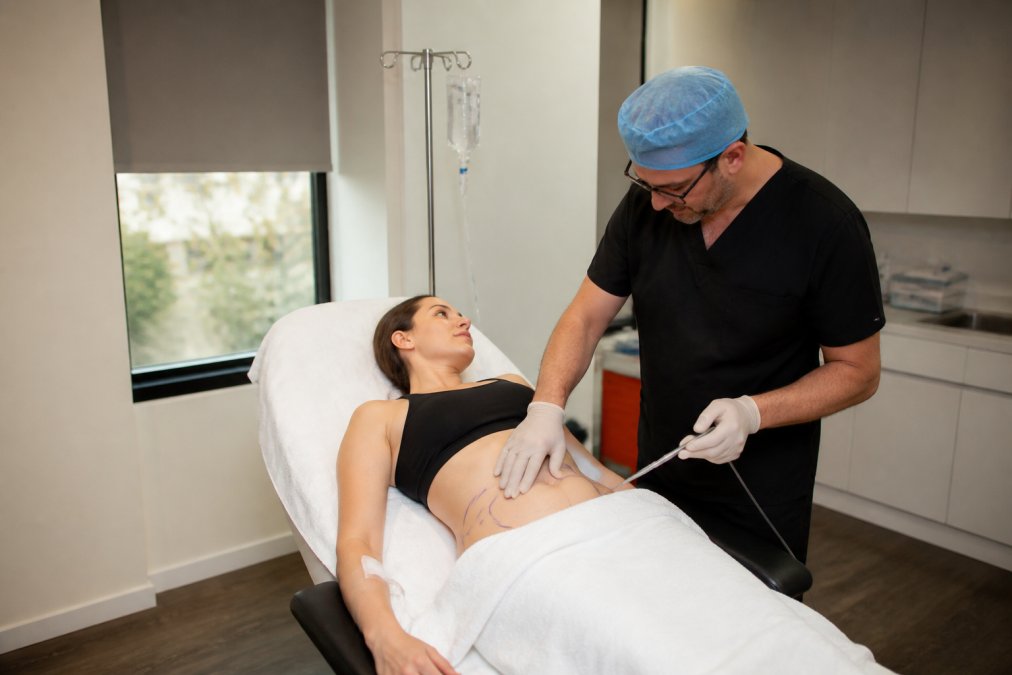
Awake liposuction is a body contouring procedure performed entirely under local tumescent anesthesia, allowing you to remain conscious throughout the surgery. At Curved by Lipo, we specialize exclusively in this approach, which eliminates the risks associated with general anesthesia while delivering precise, customizable results. During the procedure, your surgeon uses a combination of numbing medication and fluid infiltration to ensure comfort while you stay alert and can communicate with your surgical team in real time.
You'll hear and feel activity around you, but not pain. Many patients find this reassuring because they can ask questions, adjust their position, or provide feedback about results as the surgeon works. The procedure typically takes one to three hours depending on the areas being treated and the volume of fat removal needed.
Your surgeon can assess symmetry and contours as the procedure progresses, making real-time adjustments to achieve your aesthetic goals.
Awake Liposuction vs General Anesthesia: Key Differences
General anesthesia requires intubation, IV medications, and post-operative monitoring for potential complications like nausea, vomiting, and respiratory depression. Awake liposuction eliminates these factors entirely, no IV narcotics, no intubation, no grogginess or post-anesthesia side effects.
Patients undergoing awake liposuction at Curved by Lipo typically return to light activities within days.
Awake liposuction reduces medical risk by avoiding systemic anesthesia complications. You maintain your airway naturally, your breathing remains unassisted, and your body's natural responses stay intact.
| Aspect | Awake Liposuction | General Anesthesia |
|---|---|---|
| Consciousness | Fully awake and alert | Unconscious |
| Anesthesia Type | Local tumescent solution | IV medications + intubation |
| Recovery Time | Days to light activity | 1-2 weeks minimum |
| Nausea/Vomiting Risk | Minimal | Common |
| Anesthesia Complications | None | Possible (respiratory, cardiac) |
| Higher | ||
| Patient Communication | Real-time feedback possible | None during procedure |
Pain Management and Comfort During the Procedure
Tumescent anesthesia infiltrates the treatment area with lidocaine, epinephrine, and saline to numb tissue thoroughly. You'll feel pressure, movement, and vibration from the cannula (the thin tube used to remove fat), but not sharp pain, most patients describe it as similar to firm massage.
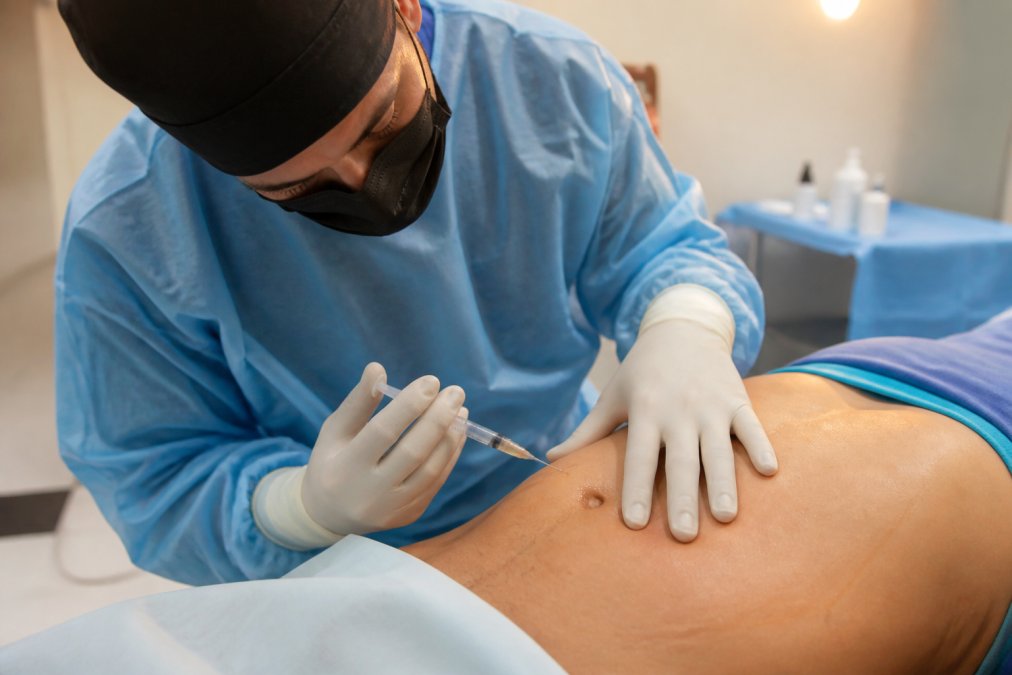
Patients who arrive calm and informed tend to have the most comfortable experiences. Knowing what to expect reduces anxiety, which directly lowers your perception of discomfort. The numbing medication takes 15-20 minutes to fully activate, so initial sensations are minimal by the time actual fat removal begins.
If you experience discomfort, your surgeon can inject additional local anesthetic in that area. Communication is encouraged, and adjustments happen immediately.
The Role of Tumescent Anesthesia in Your Experience
The solution contains lidocaine (numbing), epinephrine (reduces bleeding and extends numbness), and saline (carrier fluid). This combination creates localized anesthesia that makes fat removal possible without systemic medication.
Infiltration takes 20-30 minutes to ensure complete coverage. Your surgeon uses a blunt cannula to deliver the fluid methodically, and you may be asked to shift position slightly to allow access to different areas.
Tumescent anesthesia's safety comes from localized medication that stays in tissue rather than entering the bloodstream in large doses.
Tumescent Anesthesia Recovery Time and Healing
The numbing effect from tumescent anesthesia doesn't disappear the moment surgery ends. Understanding the timeline helps you manage expectations for the first 24-48 hours after your procedure.
The treated area remains numb for 4-6 hours post-surgery, reducing discomfort during critical first hours. As anesthetic wears off, mild soreness similar to post-workout feeling is normal and manageable with over-the-counter pain relief.
Epinephrine continues working for several hours, reducing swelling. Your body absorbs the remaining solution over 24-48 hours. Fluid drainage from small incision sites is expected and normal.
By day three or four, residual anesthetic effects resolve and acute pain diminishes significantly.
What to Expect in the Days and Weeks After Surgery
Days 1-2: Immediate Post-Operative Period
You'll leave alert and clearheaded. The treated area remains numb for 4-6 hours, reducing acute discomfort during the most sensitive hours.
Expect mild to moderate soreness as anesthetic wears off. Over-the-counter pain relief is usually sufficient; avoid prescription opioids unless prescribed, as they're rarely necessary and can increase swelling.
Fluid drainage from small incision sites is normal. Keep wearing your compression garment continuously as directed. Swelling begins immediately but remains mild on days 1-2.
Rest with treated areas elevated. Sleep in a reclined position using extra pillows rather than lying flat.
Days 3-5: Peak Swelling and Bruising
Swelling peaks around day 3-5 (normal and temporary fluid retention). Bruising becomes more visible, ranging from light discoloration to pronounced purple or yellow tones.
Continue wearing compression garments continuously, they reduce swelling, support skin retraction, and provide gentle support that reduces movement-related soreness.
Light activities like walking reduce swelling more effectively than complete rest. Walk slowly for 10-15 minutes several times daily. Avoid stairs if possible.
Fluid drainage typically decreases by day 4-5 but may continue in small amounts. Keep incision sites clean and dry. You can typically shower by day 2-3 but avoid soaking incisions.
Days 6-10: Transition to Functional Recovery
Swelling noticeably decreases by day 6. You'll start seeing results, though significant swelling remains. Bruising may intensify in color as your body reabsorbs blood, a sign of healing.
Most patients return to desk work within one week. If your job involves standing, walking, or physical activity, discuss your specific work demands with your surgeon.
You can typically reduce compression garment wear from continuous to daytime-only by day 7-10, depending on swelling levels. If you notice increased swelling when reducing garment time, resume continuous wear.
Gentle stretching and light movement continue to be beneficial. Avoid any activity that causes sharp pain or significant swelling increase. (Source: American Society of Plastic Surgeons' statistics on cosmetic procedures)
Drainage typically stops by day 7-10. If drainage continues beyond this, notify your surgeon.
Days 11-21: Visible Results Emerging
By week two, most patients see results clearly as swelling subsides significantly. You're likely 60-70% of the way to your final appearance. Bruising continues fading.
You can typically resume normal daily activities, including light exercise like walking or gentle yoga, by week 2-3. Strenuous exercise and heavy lifting should wait until week 3-4.
Compression garment wear can typically transition to daytime-only by the end of week 2, depending on swelling levels.
Weeks 3-4: Near-Final Results
By week four, most patients see 80-90% of their final results. Residual swelling is minimal, and bruising is nearly resolved. You can resume most normal activities.
Strenuous exercise and heavy lifting can typically resume by week 4, but follow your surgeon's specific clearance. Avoid activities that cause noticeable swelling increase.
Weeks 5-12: Final Refinement
Final results continue to improve over 2-3 months as remaining fluid resolves and skin fully retracts.
By week 8-12, you'll see your true final results. Skin retraction continues during this period.
Residual swelling in specific areas may persist longer than others but typically resolves completely by 3 months.
When to Contact Your Surgeon
Normal recovery includes swelling, bruising, mild soreness, and fluid drainage. Contact your surgeon if you experience:
- Fever above 101°F (suggesting possible infection)
- Increasing redness, warmth, or pus at incision sites
- Severe pain not controlled by prescribed medication
- Sudden increase in swelling after it had been improving
- Chest pain or difficulty breathing (rare but requires immediate emergency care)
- Numbness or tingling that worsens rather than improves over weeks
Preparing Mentally and Physically for Awake Surgery
Success with awake liposuction begins before you arrive at the surgical facility. Mental and physical preparation directly influences your comfort, recovery, and satisfaction with results. The psychological component of remaining conscious during surgery deserves structured, actionable preparation.
Psychological Preparation: Reframing Awareness as Control
Structured Breathing Technique for Anxiety Management
- Breathe in through your nose for a count of 4
- Hold your breath for a count of 7
- Exhale slowly through your mouth for a count of 8
- Repeat 4-5 times, twice daily
Guided Visualization Practice
- Picture yourself arriving calm and prepared
- Imagine lying comfortably on the surgical table with warm blankets
- Visualize your surgeon explaining each step as it happens
- See yourself breathing slowly and feeling relaxed as pressure (not pain) occurs
- Imagine hearing your surgical team's reassuring voices
- Envision the procedure completing successfully with you feeling proud of your composure
Physical Preparation
Prepare your recovery space at home before surgery day:
- Set up a comfortable resting area with extra pillows for positioning
- Stock easy-to-reach water bottles and light snacks (protein-rich options support healing)
- Have your compression garments cleaned and ready
- Arrange loose clothing for the first week
- Clear your schedule of obligations for at least 3-5 days
The Night Before and Surgery Day
Frequently Asked Questions
Can you feel anything during awake liposuction?
You remain conscious during awake liposuction, but local anesthesia and tumescent solution numb the treatment area so you don't feel pain. Most patients report feeling pressure, vibration, or movement rather than sharp pain. The tumescent fluid contains lidocaine and epinephrine, which provide numbness and reduce bleeding. Your surgeon monitors your comfort throughout, and you can communicate any concerns in real time.
How long does tumescent anesthesia recovery time typically take?
Tumescent anesthesia recovery is faster than general anesthesia because your body doesn't need to metabolize systemic drugs. Most patients feel alert within hours of the procedure. Full recovery from swelling and bruising takes 2-4 weeks, though many return to light activities within 3-7 days. The tumescent solution is gradually absorbed by your body over several days, which is why compression garments are worn during this period to manage fluid drainage and support healing.
Is awake liposuction less painful than traditional liposuction?
Awake liposuction pain management focuses on comfort during the procedure through local anesthesia. Recovery pain is generally milder than with general anesthesia because your body avoids the side effects of systemic drugs. Most patients describe post-operative discomfort as manageable soreness rather than sharp pain, similar to intense bruising. Pain levels vary based on the extent of fat removal and individual pain thresholds, so discuss your specific concerns during your consultation.
What makes awake liposuction safer than procedures under general anesthesia?
Awake liposuction eliminates risks associated with general anesthesia, including complications from intubation, respiratory depression, and allergic reactions to anesthetic drugs. Because you remain conscious, your surgeon can communicate with you throughout the procedure and monitor your responses in real time. Local tumescent anesthesia has a strong safety record in cosmetic surgery. However, all surgical procedures carry some risk; discuss specific health concerns and contraindications with your surgeon before scheduling.