 ultimate-guide
Awake Liposuction for Post-Pregnancy Body: What to Expect
Table of Contents
- What Is Awake Liposuction for Post-Pregnancy Bodies
- Candidates for Awake Liposuction: Who Benefits Most
- Awake Liposuction Downtime and Recovery Timeline
- Awake Abdominoplasty vs Traditional Tummy Tuck: Key Differences
- Safety, Risks, and What the Research Shows
- Body Areas Treated and What Results Look Like
- Breastfeeding, Hormonal Shifts, and Realistic Expectations
- Frequently Asked Questions
Last Updated: September 23, 2026
What Is Awake Liposuction for Post-Pregnancy Bodies
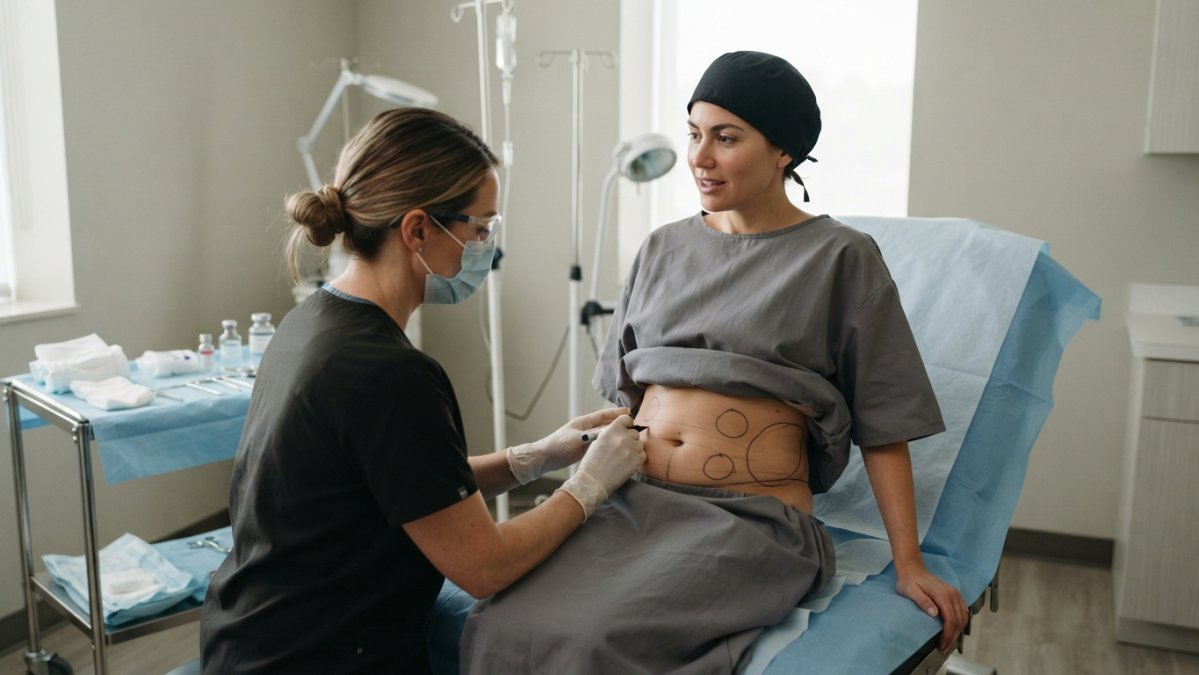
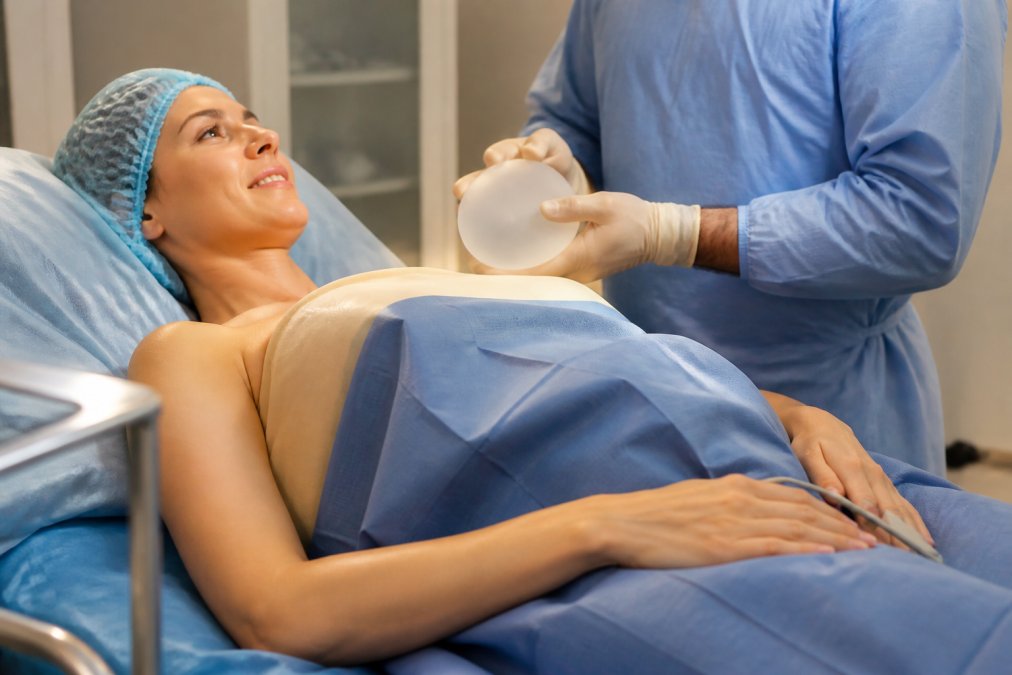
Awake liposuction for post pregnancy body contouring has emerged as a transformative option for mothers seeking to address stubborn fat deposits without the risks associated with general anesthesia. Unlike traditional surgical approaches that require patients to be unconscious, awake liposuction allows you to remain fully conscious throughout the procedure while local tumescent anesthesia keeps you comfortable and pain-free.
The tumescent technique works by infusing the treatment area with a solution containing lidocaine and epinephrine (Checking your browser). This numbs the tissue, minimizes bleeding, and allows the surgeon to gently remove localized fat deposits using a thin cannula. Because you're awake, your surgeon can assess your body's contours in real time and make adjustments to achieve balanced, natural-looking results. You can even provide feedback during the procedure if needed.
What sets this approach apart is the elimination of general anesthesia risks. No intubation, no systemic medications coursing through your bloodstream, no recovery from anesthesia grogginess. At Curved by Lipo, we specialize in awake liposuction procedures for post-pregnancy patients. Recovery is faster, swelling is typically less severe, and patients return to daily activities far sooner than with traditional methods.
Candidates for Awake Liposuction: Who Benefits Most
Not every post-pregnancy body is an ideal candidate for awake liposuction, and that's important to understand upfront. The best candidates are mothers who have stubborn fat pockets that haven't responded to diet and exercise, have realistic expectations about what the procedure can achieve, and are in generally good health.
If you have significant skin laxity, excess loose skin rather than excess fat, you may be a better candidate for an abdominoplasty or a combined approach. Awake liposuction excels at removing fat; it does not tighten skin. However, many post-pregnancy women have a combination of both concerns, and your surgeon can discuss whether combining procedures makes sense for your goals.
Your overall health matters. Patients with uncontrolled diabetes, severe heart conditions, or bleeding disorders may not be suitable candidates. Pregnancy itself changes your body's physiology, and hormonal shifts can affect healing. Most surgeons recommend waiting several months after delivery before pursuing elective body contouring, though some patients wait longer depending on their recovery and whether they're breastfeeding.
The ideal candidate is someone who wants targeted fat reduction without extended downtime, has the ability to follow post-operative care instructions, and understands that results develop over weeks as swelling subsides. If you're a single parent or have limited support at home, the faster recovery of awake liposuction may be particularly appealing compared to traditional approaches.
Awake Liposuction Downtime and Recovery Timeline
One of the most compelling reasons post-pregnancy patients choose awake liposuction is the dramatically accelerated recovery compared to general anesthesia procedures. Most patients can return to light activities within three to five days and resume normal routines within two to three weeks.
Here's what the typical recovery progression looks like:
| Recovery Phase | Timeline | What to Expect |
|---|---|---|
| Immediate (Day 0-1) | First 24 hours | Mild soreness, compression garment worn, limited movement |
| Early (Days 2-7) | First week | Gradual reduction in soreness, swelling peaks around day 3-4, light walking encouraged |
| Intermediate (Weeks 2-4) | Second to fourth week | Return to desk work and light daily tasks, swelling begins to noticeably decrease, exercise still limited |
| Progressive (Weeks 4-8) | Second month | Resume most normal activities, swelling continues to fade, light exercise permitted |
| Final (Weeks 8-12) | Three months | Full results becoming visible as swelling resolves, cleared for all activities |
The compression garment is typically recommended during the initial recovery period. It helps reduce swelling, supports healing tissue, and assists your body in settling into its new contours.
Swelling is the primary variable in recovery. Some patients experience moderate swelling that peaks around day three and steadily improves. Others swell more noticeably, particularly if they don't follow post-operative instructions or have inflammatory responses. Staying hydrated, elevating treated areas when seated, and avoiding strenuous activity all help minimize swelling duration.
Awake Abdominoplasty vs Traditional Tummy Tuck: Key Differences
The terms "awake abdominoplasty" and "traditional tummy tuck" describe different surgical approaches, and understanding the distinction matters if your post-pregnancy concerns include loose abdominal skin alongside fat deposits.
A traditional tummy tuck (abdominoplasty) typically involves general anesthesia, a longer incision, removal of excess skin, repair of separated abdominal muscles (diastasis recti), and a longer recovery period, often four to six weeks before resuming normal activities. It's a more extensive procedure designed to address significant skin laxity and muscle separation common after pregnancy.
Awake liposuction focuses on fat removal without addressing skin tightening. If you have minimal skin laxity, your skin has decent elasticity and your primary concern is localized fat in the abdomen, flanks, or waist, awake liposuction alone may deliver the results you want. The recovery is faster, and there's no general anesthesia involved.
Some surgeons offer awake abdominoplasty, which combines local anesthesia with skin tightening. This can be appropriate for select patients.
The choice depends on your specific anatomy. Diastasis recti, the separation of your abdominal muscles during pregnancy, requires surgical repair and cannot be addressed through liposuction alone. If your primary concern is fat, awake liposuction is simpler and faster. If you have significant skin excess or muscle separation, a traditional tummy tuck or combined approach may be necessary, even with longer recovery.
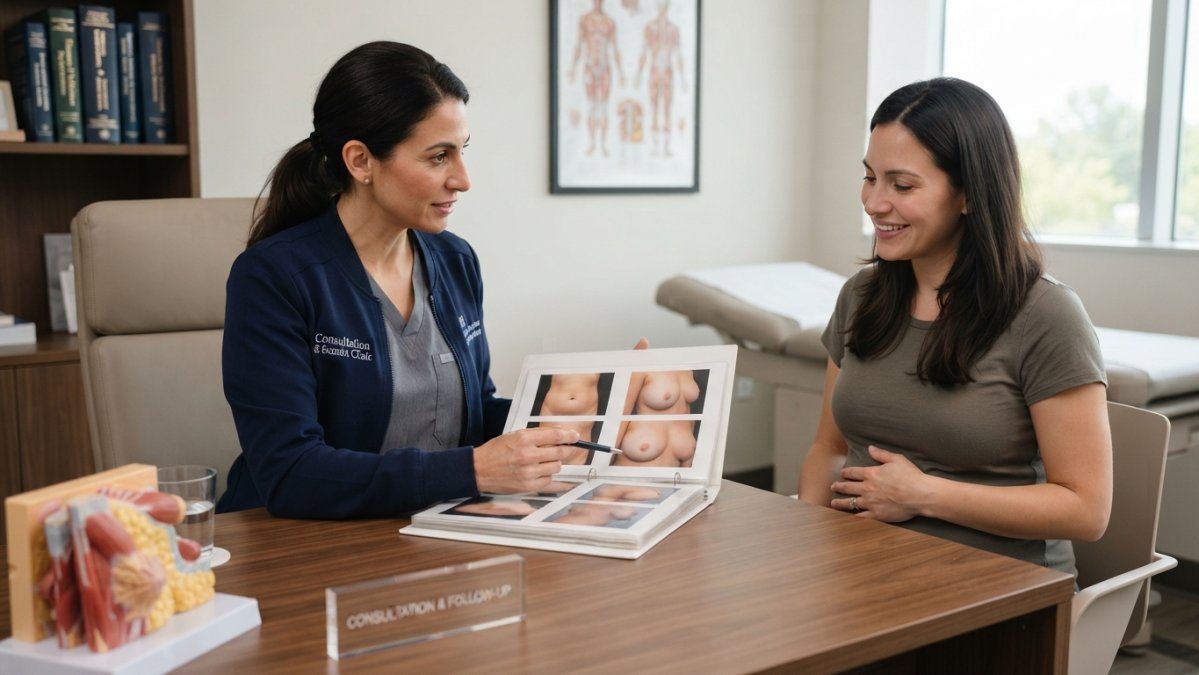
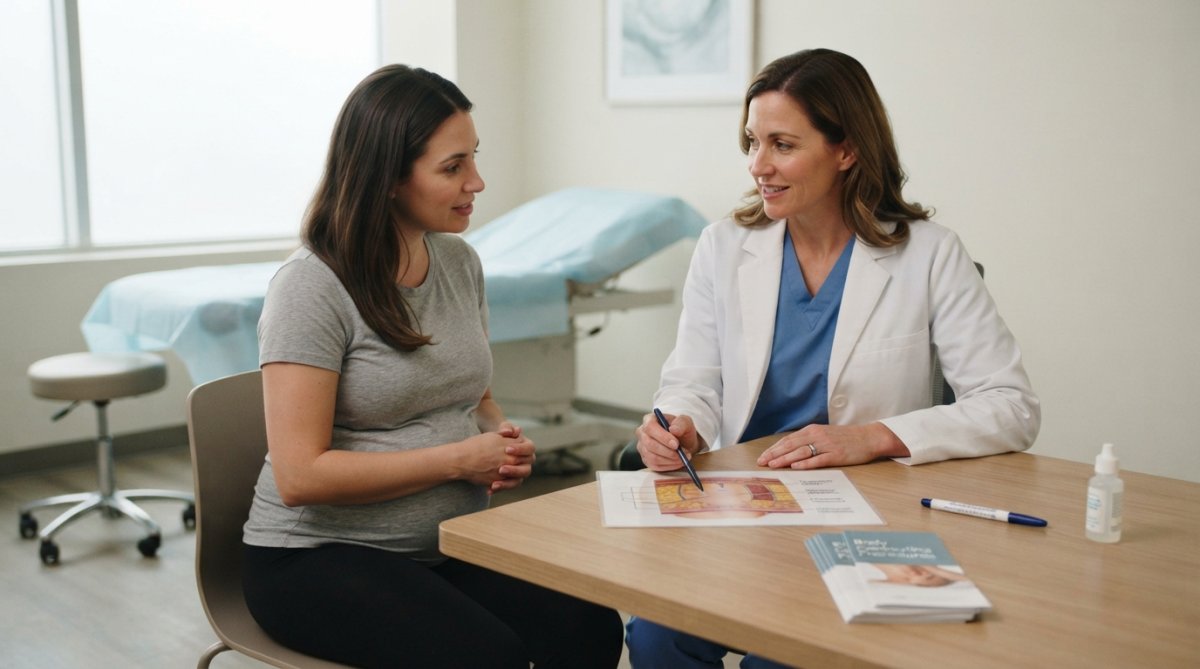
At Curved by Lipo, we offer consultations to assess whether your post-pregnancy body is better suited for awake liposuction alone or whether combining procedures would better serve your aesthetic goals.
Safety, Risks, and What the Research Shows
Awake liposuction using local tumescent anesthesia has a well-established safety record. The elimination of general anesthesia removes an entire category of risks, respiratory complications, anesthesia reactions, and prolonged recovery from systemic medications. However, like any surgical procedure, awake liposuction carries specific risks you should understand.
The most common side effects are temporary: bruising, swelling, numbness, and mild discomfort. Bruising typically fades within two to three weeks. Numbness in treated areas can persist for several weeks or occasionally months as nerves regenerate, but permanent numbness is rare. Asymmetry or uneven fat removal can occur if the surgeon misjudges contours, though the awake nature of the procedure actually helps prevent this since the surgeon can assess symmetry in real time.
Infection is a rare but possible complication with any surgical procedure. Following post-operative care instructions, keeping incision sites clean, wearing compression garments as directed, and avoiding activities that compromise healing, significantly reduces this risk. Seroma (fluid accumulation) can occur but typically resolves on its own or with minor intervention.
The tumescent anesthesia itself carries minimal systemic risk when administered properly. The lidocaine dose is calculated based on your body weight and the extent of treatment, and the epinephrine constricts blood vessels to minimize bleeding. Allergic reactions to lidocaine are exceptionally rare, and your surgeon screens for contraindications during consultation.
Body Areas Treated and What Results Look Like
Post-pregnancy fat deposits tend to cluster in predictable areas: the lower abdomen, flanks (love handles), upper abdomen, and sometimes the inner thighs or back. Awake liposuction addresses all of these areas effectively, either individually or in combination.
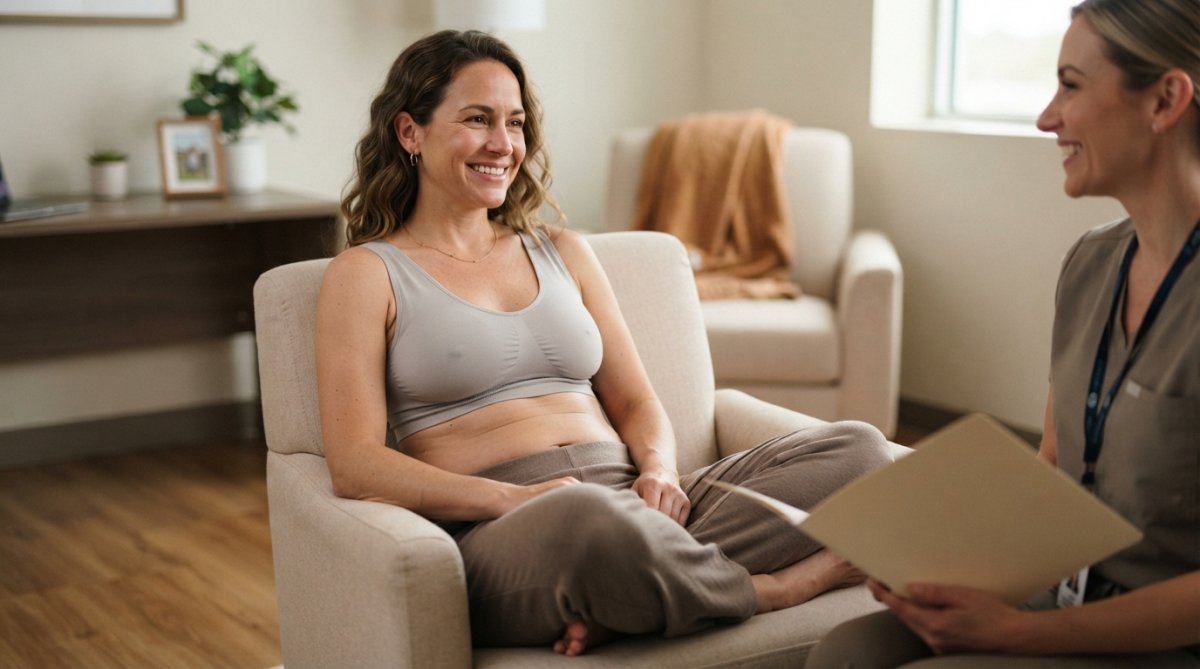
The abdominal area is the most common treatment zone for post-pregnancy patients. Pregnancy stretches the skin and deposits fat in the lower abdomen, sometimes below the belly button where diet and exercise rarely reach. Liposuction removes this stubborn fat, revealing a flatter, more contoured midsection.
Breastfeeding, Hormonal Shifts, and Realistic Expectations
If you're breastfeeding, you can discuss awake liposuction with your surgeon. The local anesthesia used is localized to the treatment area, and no narcotic pain medications or general anesthesia are required.
Frequently Asked Questions
How long does it take to recover from awake liposuction?
Most patients return to light activities within 3-5 days and resume normal exercise within 2-3 weeks. The tumescent technique used in awake liposuction minimizes tissue trauma, which speeds healing compared to traditional methods. Swelling and bruising typically peak around day 3-5, then gradually improve. Full results become visible as swelling subsides over 6-8 weeks. Recovery times vary based on the extent of treatment and individual healing factors.
When is it safe to have awake liposuction after pregnancy?
Most surgeons recommend waiting several months postpartum before considering body contouring, though this depends on your delivery method and overall recovery. If you're breastfeeding, discuss timing with your surgeon. Hormonal fluctuations can continue for several months postpartum, which may affect final results. A consultation will help determine the right timing for your specific situation.
What makes awake liposuction different from procedures under general anesthesia?
Awake liposuction uses local tumescent anesthesia, meaning you remain conscious during the procedure without IV sedation or narcotic analgesics. This eliminates risks associated with general anesthesia, such as nausea, grogginess, and airway complications. You can communicate with your surgeon in real time, which allows for precise contouring. Recovery is faster, and you avoid post-anesthesia side effects entirely, making it ideal for busy post-pregnancy patients who need minimal downtime.
What happens if I'm not happy with my awake liposuction results?
Discuss revision policies and expectations during your consultation. Minor touch-ups or adjustments may be possible, though timing and cost vary. Realistic expectations are crucial: awake liposuction removes stubborn fat deposits that diet and exercise cannot address, but results depend on skin elasticity, healing, and your body's response. Before committing, review before-and-after photos from patients with similar body types and goals to understand what the procedure can realistically achieve for you.