 ultimate-guide
Awake Liposuction Revision Policy Explained
Table of Contents
- What Is Awake Liposuction Revision?
- Signs You Need a Liposuction Revision
- How Awake Liposuction Revision Differs From Traditional Approaches
- Liposuction Revision Recovery Timeline
- Awake Liposuction Before and After Photos: What Results Show
- Safety and Risks in Awake Revision Surgery
- Revision Policy and What to Expect
- Frequently Asked Questions
Last Updated: September 23, 2026
What Is Awake Liposuction Revision?
Awake liposuction revision is a secondary surgical procedure performed under local tumescent anesthesia to correct or improve results from a previous liposuction surgery. This method keeps you conscious throughout the procedure, allowing your surgeon to assess contours in real time and make precise adjustments to areas of asymmetry, irregularities, or incomplete fat removal. (Source: American Society of Plastic Surgeons' statistics)
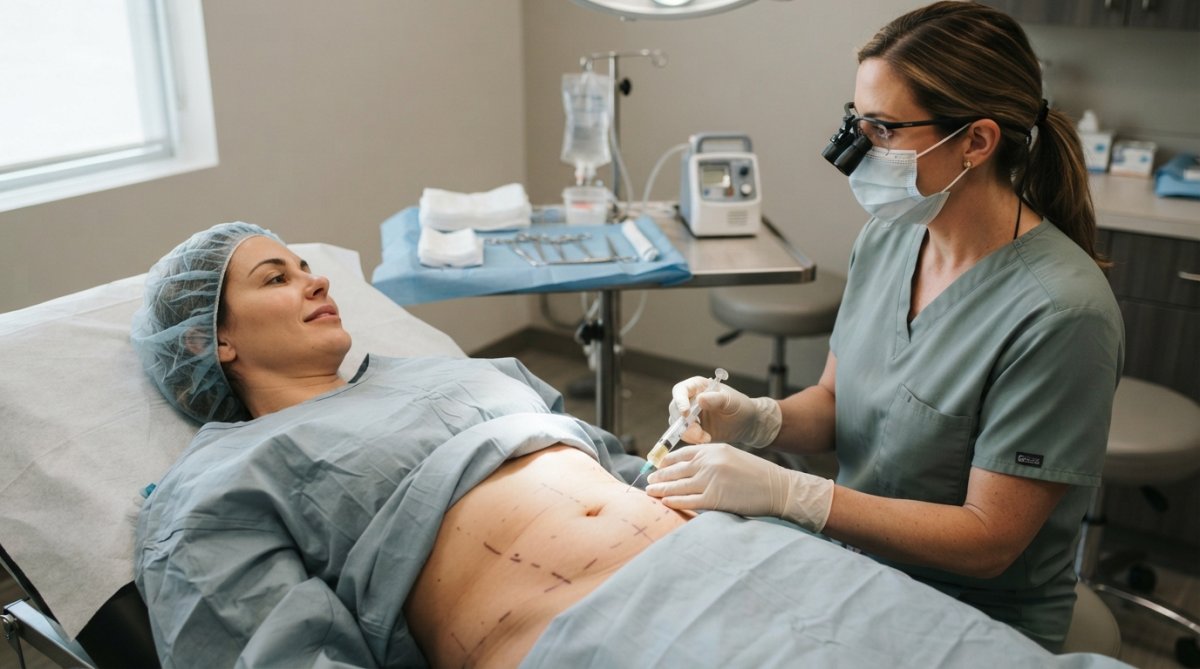
Tumescent anesthesia involves injecting lidocaine and epinephrine directly into the treatment area, numbing tissue while minimizing bleeding. This eliminates risks associated with general anesthesia, nausea, prolonged grogginess, respiratory complications, while maintaining surgical precision.
Awake liposuction revision addresses a specific challenge: many patients who've had previous procedures experience uneven results, residual bulges, or contour irregularities. The awake approach allows surgeons to communicate with you during surgery, understand your aesthetic goals in real time, and refine results with greater accuracy than traditional methods allow.
Signs You Need a Liposuction Revision
The most common indicator for awake liposuction revision is asymmetry, one side of your body appears noticeably different from the other in terms of fat distribution, contour, or definition. This occurs when initial fat removal was uneven or when scar tissue developed differently on each side.
Incomplete fat removal is another frequent reason patients seek revision. Some areas may retain stubborn deposits, or the initial procedure may not have addressed the full extent of the problem. Visible irregularities or waviness in the skin surface, sometimes called "lumpiness", indicate that revision may smooth these contours.
Dog ear deformities, small pockets of excess skin or fat at the edges of the original treatment area, are common revision triggers and are often easier to address in a secondary procedure once the area has fully healed.
Fibrosis, or excessive scar tissue formation, can create firmness or restricted movement in the treated area. A revision procedure can address this by carefully removing or repositioning scar tissue and refining the overall contour.
How Awake Liposuction Revision Differs From Traditional Approaches
Traditional revision liposuction typically uses general anesthesia in a hospital or surgical center setting, while awake revision under tumescent anesthesia occurs in an office-based surgical suite with the patient remaining alert and responsive throughout.
Traditional revision under general anesthesia requires intubation, anesthesiologist oversight, and full operating room infrastructure, carrying systemic risks including aspiration, allergic reactions, and prolonged sedation effects. Recovery is extended, often requiring a full day of facility observation and a recovery companion.
Awake revision eliminates these systemic risks. Your surgeon infiltrates the treatment area with tumescent anesthesia, which numbs tissue while constricting blood vessels to minimize bleeding. Because you remain conscious, your airway stays uncompromised and your cardiovascular system avoids the stress of intubation and systemic drug metabolism.
Revision under local anesthesia is more complex than initial awake liposuction. Your surgeon encounters scar tissue (fibrosis) that is denser, less vascular, and responds differently to tumescent infiltration than virgin tissue. Epinephrine is less effective at achieving hemostasis in fibrotic areas, requiring the surgeon to work more carefully to maintain visibility and prevent hematoma formation.
Altered anatomy from the initial procedure complicates revision. An experienced revision surgeon must mentally reconstruct the original anatomy, understand how it was altered, and plan the revision approach accordingly. This requires extensive experience with revision cases, not just general liposuction expertise.
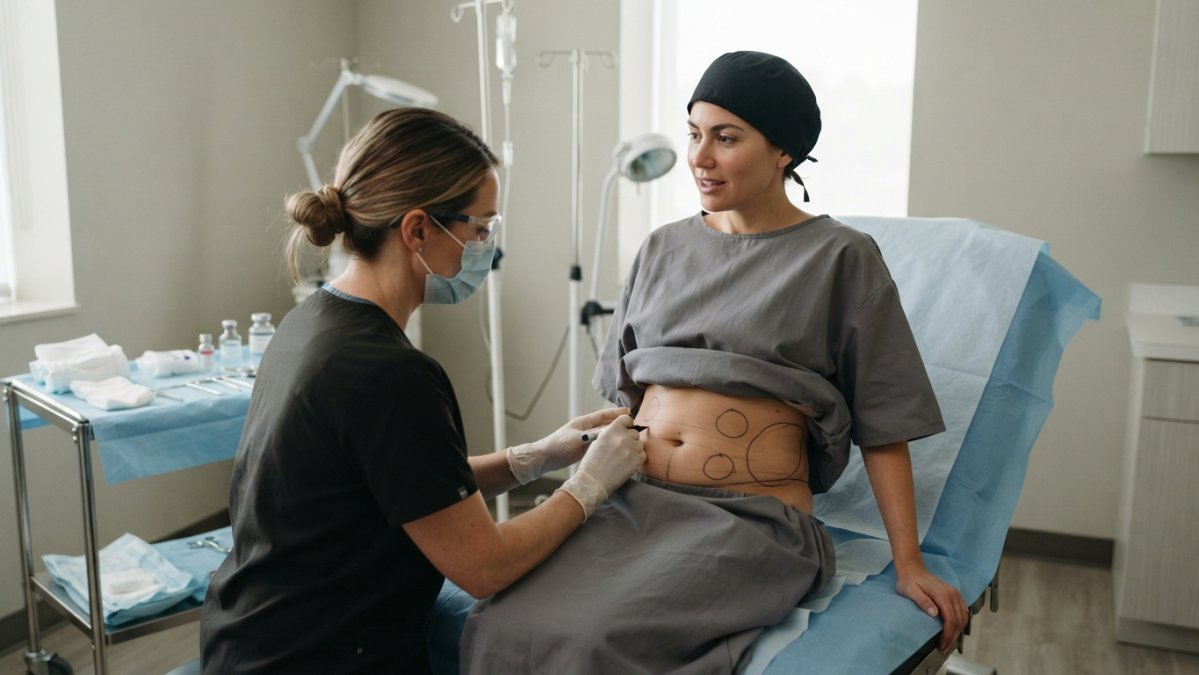
Real-time feedback becomes critical in revision. Your surgeon can ask you to stand, move, or adjust your posture to evaluate symmetry and contour balance dynamically. If one side needs additional refinement, the surgeon can address it immediately rather than relying on pre-operative markings and hoping post-operative swelling resolves predictably.
Recovery is substantially faster with awake revision. Most patients return to light activities within days rather than weeks, with no need for a recovery companion or extended facility time. However, recovery from revision is typically slightly longer than recovery from initial awake liposuction, because the surgeon has worked with more challenging tissue.
Awake revision may offer a different cost structure compared to traditional revision, as facility fees, anesthesiologist fees, and extended monitoring costs may be eliminated.
Liposuction Revision Recovery Timeline
Within the first 24-48 hours, expect mild soreness, swelling, and bruising. Compression garments help manage swelling and support newly contoured tissue. Most patients manage discomfort with over-the-counter pain relief and ice therapy.
By day three to five, most people feel comfortable returning to desk work and light daily activities. Avoid strenuous exercise, heavy lifting, and activities that elevate your heart rate. Swelling typically peaks around day three to five, then gradually subsides.
Full recovery generally takes six to eight weeks. Many patients notice refined contours and improved symmetry within two to three weeks as initial swelling resolves.
Compression garment wear is typically recommended for four to six weeks post-operatively, depending on the extent of revision work. Your surgeon will provide specific guidance based on the areas treated and your individual healing response. Some patients experience minor fluid drainage or oozing during the first week, which is managed with absorbent dressings.
Awake Liposuction Before and After Photos: What Results Show
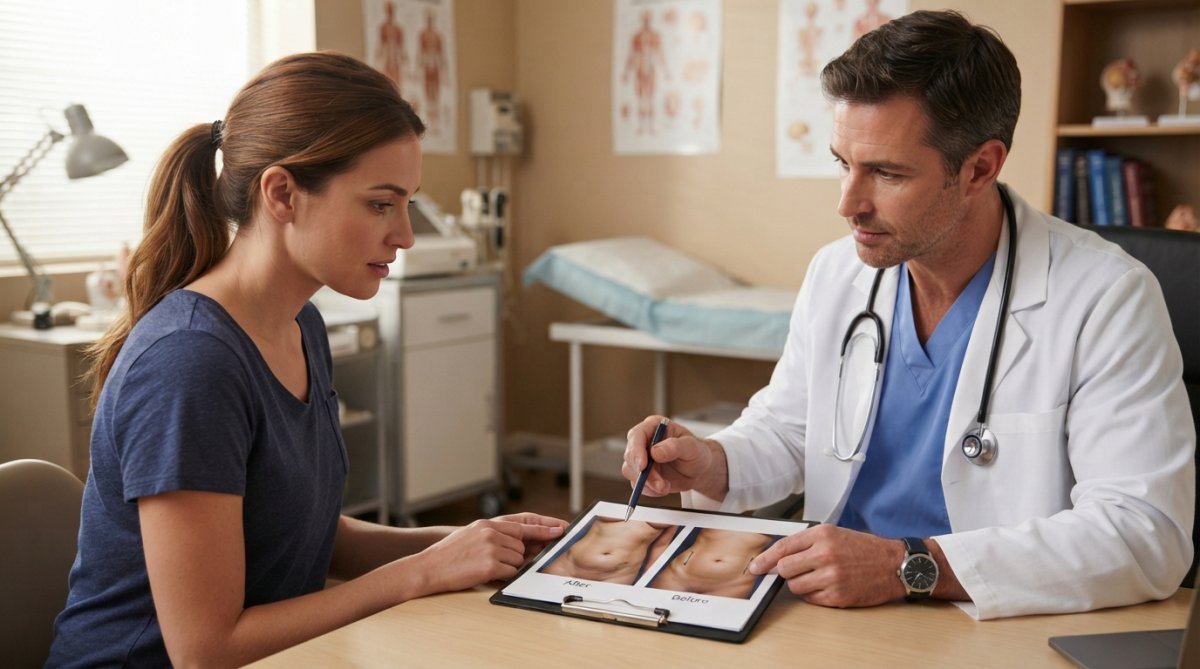
Before-and-after photography demonstrates the precision achievable with awake liposuction revision, capturing transformation in contour definition, symmetry correction, and smoothing of irregularities.
Common improvements include restored balance between left and right sides, elimination of asymmetrical bulges, and refined definition. Patients often see dramatic improvements in how clothing fits and how their body appears in profile.
Immediate post-operative photos show significant swelling that obscures true results. Photos taken at six weeks begin to reveal actual contours, while final results typically appear at three to four months post-operatively.
Revision results tend to be more dramatic than initial liposuction because the surgeon specifically targets areas of concern identified by the patient, typically yielding high satisfaction.
Safety and Risks in Awake Revision Surgery
Awake liposuction revision carries significantly lower systemic risk than traditional revision under general anesthesia, but it is not risk-free.
The primary safety advantage is elimination of general anesthesia risks: aspiration, anaphylaxis, malignant hyperthermia, and prolonged sedation effects.
Local complications remain possible: infection (rare in sterile environments), excessive bleeding, hematoma formation, seroma (fluid accumulation), and temporary numbness or nerve irritation are uncommon when performed by experienced surgeons.
Fibrosis recurrence is a consideration in revision cases. Scar tissue can reform after revision surgery, particularly if the underlying cause isn't addressed. This is managed through appropriate post-operative care, compression therapy, and in some cases, massage or physical therapy.
Contour irregularities can persist or emerge if revision work is incomplete or if healing occurs unevenly. Surgeon experience with revision cases is critical to anticipate and prevent complications.
Patient safety depends heavily on proper patient selection, thorough pre-operative evaluation, and surgeon expertise. Patients with uncontrolled hypertension, severe cardiac disease, or bleeding disorders may not be appropriate candidates. Your surgeon will conduct a comprehensive medical history and may order pre-operative testing.
Revision Policy and What to Expect
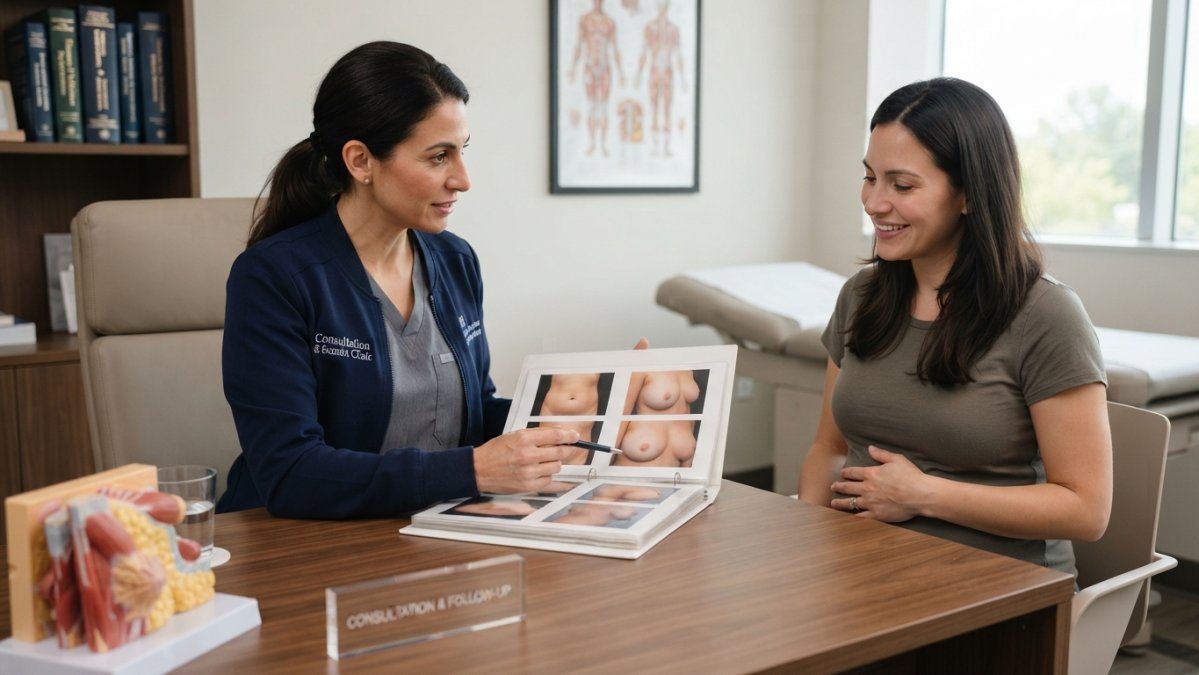
Understanding a practice's revision policy is essential when selecting a surgeon for awake liposuction revision. A clear, transparent policy demonstrates confidence in their work, but surgeon experience and infrastructure matter most.
What Revision Policies Should Cover
Many practices offer revision policies within a defined timeframe.
Ask these specific questions during your consultation:
- Are touch-ups and minor refinements covered, or only major complications?
- What constitutes a complication versus an aesthetic preference that falls outside coverage?
- Is there a financial limit to revision coverage, or is it unlimited?
- Does the policy cover revisions if you develop fibrosis or scar tissue after the initial procedure?
- If you need revision, will it be performed by the same surgeon, or could it be delegated to another provider?
- Are there any exclusions based on patient behavior (e.g., failure to wear compression garments, smoking)?
Evaluating Surgeon Qualification for Office-Based Revision
Documentation and Financial Transparency
Frequently Asked Questions
What are the main reasons patients need awake liposuction revision?
Patients seek awake liposuction revision for several reasons: asymmetry or uneven fat removal, contour irregularities, incomplete fat removal in stubborn areas, scar tissue from the initial procedure, or aesthetic outcomes that don't match expectations. Some patients also pursue revision to address 'dog ear' deformities at the edges of treatment areas. Because awake liposuction uses tumescent anesthesia and allows the surgeon to assess symmetry in real time, revision procedures can often correct these issues with precision while the patient remains conscious.
How long should I wait before considering a liposuction revision?
Most surgeons recommend waiting at least 3 to 6 months after your initial procedure before pursuing revision. This allows swelling to fully resolve, scar tissue to mature, and final aesthetic outcomes to become clear. In some cases, waiting up to 12 months may be advisable to ensure all inflammation has subsided and you have a complete picture of the results. Your surgeon will evaluate your specific situation during a consultation to determine the optimal timing for revision surgery.
Is awake liposuction revision more complex than the initial procedure?
Awake liposuction revision can be more technically demanding than the initial procedure because the surgeon must work around existing scar tissue, assess previous contouring, and make precise corrections while maintaining symmetry. However, the awake setting actually offers an advantage: the surgeon can communicate with you, check your positioning, and evaluate results in real time. This real-time feedback often leads to more accurate corrections and better aesthetic outcomes compared to revisions performed under general anesthesia.
What should I look for in a surgeon's revision policy?
A clear revision policy should outline: the timeframe for pursuing revision (typically 3-12 months post-op), and what complications or concerns qualify for revision. Ask your surgeon to explain their approach to managing asymmetry, irregularities, and scar tissue. Verify that they use tumescent anesthesia and maintain a sterile surgical environment. Request before and after photos from previous revision cases to assess their skill in contour refinement.