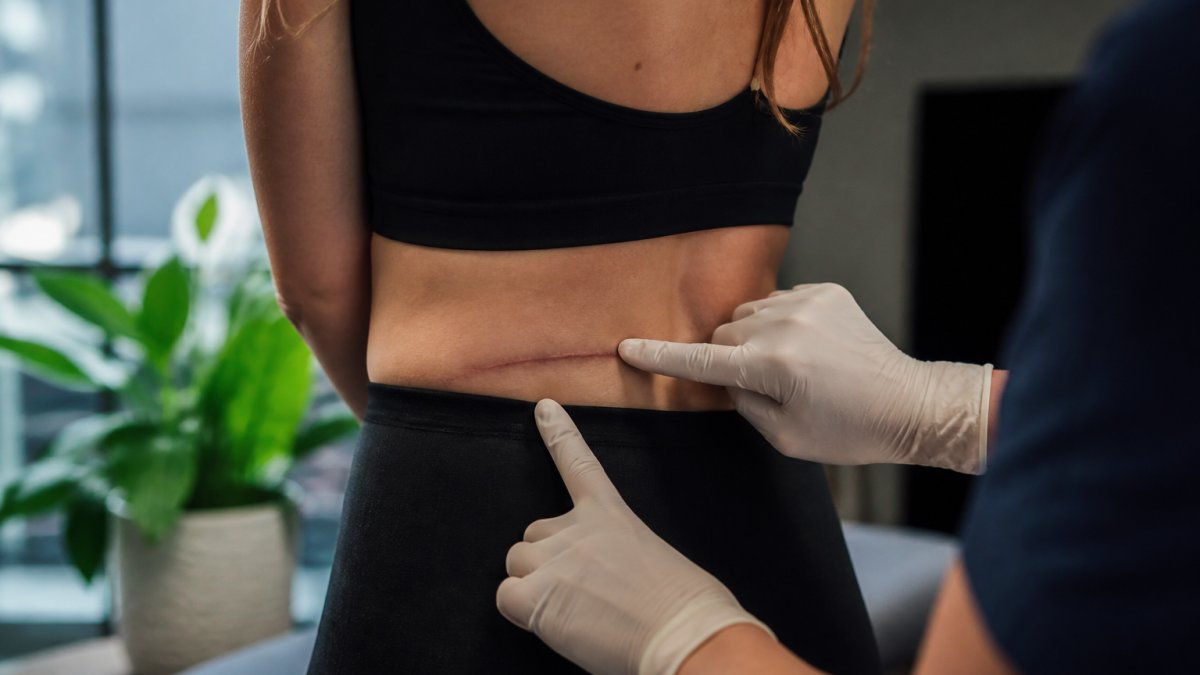
 how-to
Book Awake Liposuction: Your Step-by-Step Consultation Guide
Table of Contents
- Understanding Awake Liposuction Before You Book
- What to Expect During Your Awake Liposuction Consultation
- Essential Questions to Ask Your Plastic Surgeon Before Liposuction
- Your Liposuction Consultation Checklist
- Awake Liposuction Recovery Time and Post-Operative Care
- How Local Anesthesia and Tumescent Solution Keep You Safe
- Schedule Your Consultation Today
- Frequently Asked Questions
Last Updated: September 19, 2026
Understanding Awake Liposuction Before You Book
When you book awake liposuction, you're choosing a body contouring procedure performed entirely under local anesthesia, allowing you to remain conscious throughout the surgery. At Curved by Lipo, we specialize in this minimally invasive approach, which eliminates the risks associated with general anesthesia. The procedure uses a tumescent solution, a specially formulated numbing liquid containing lidocaine and epinephrine, injected into the treatment area to numb the tissue and constrict blood vessels, making the fat easier to remove through small cannulas.
Many patients choose awake liposuction to avoid general anesthesia side effects, nausea, grogginess, prolonged recovery, and return to light activities within days.
You'll remain awake but won't feel pain, only pressure and vibration from the cannula. Real-time feedback allows your surgeon to assess symmetry and contour as they work.
What to Expect During Your Awake Liposuction Consultation
Your consultation covers your goals, candidacy, and procedure details. Your surgeon will review your medical history, examine treatment areas, and explain how local anesthesia and tumescent solution keep you comfortable.
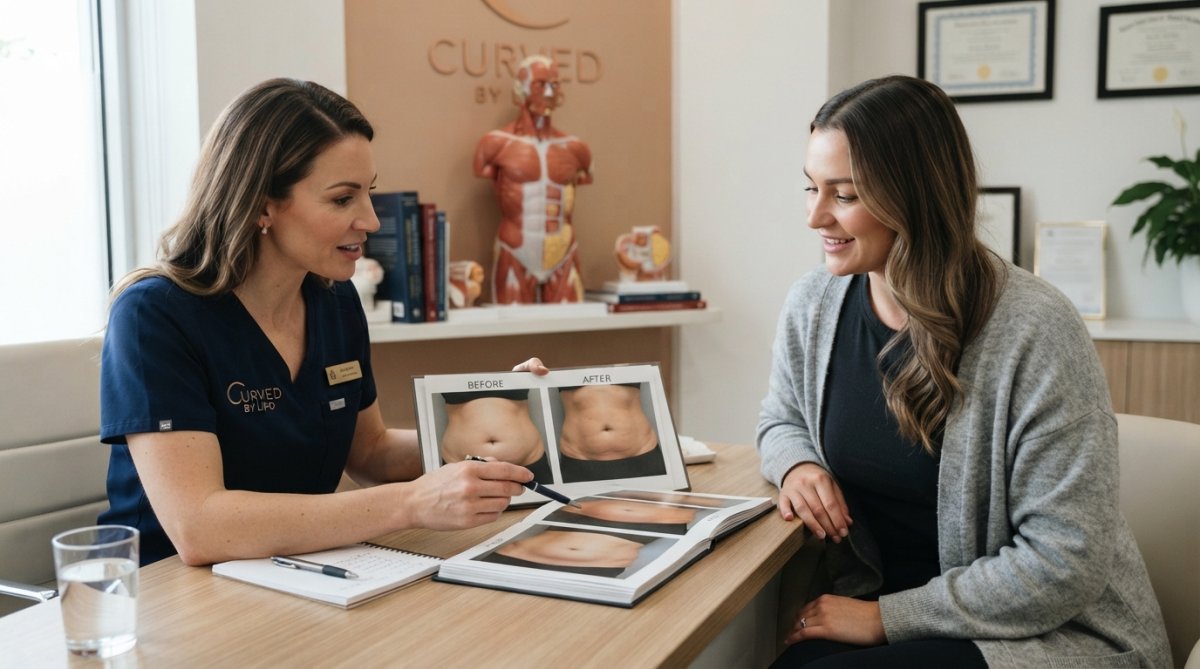
Your surgeon will ask about your expectations, lifestyle, and concerns about being awake during surgery. Voice any worries about sensations, safety, or recovery, your surgeon will explain the tumescent technique and answer all questions.
A physical examination assesses stubborn fat deposits, skin elasticity, and suitable treatment zones. Your surgeon will evaluate your health and medications, as certain conditions or drugs affect local anesthesia response.
Essential Questions to Ask Your Plastic Surgeon Before Liposuction
Asking the right questions during your consultation ensures you're fully informed before committing to your procedure. Here are the critical questions that will help you make a confident decision:
How much experience do you have performing awake liposuction? Ask how many procedures they've performed and their complication rates.
What areas can you treat, and how much fat can be safely removed? Ask about your specific zones (abdomen, flanks, thighs, back) and realistic improvement expectations.
How do you manage pain during the procedure? Ask how your surgeon handles pressure or mild discomfort, additional numbing, technique adjustments, or breaks. Understanding your comfort plan reduces anxiety.
What is your revision policy if I'm not satisfied with results? Ask about touch-ups, costs, and timing. This protects you if results don't meet expectations.
What complications have you encountered, and how did you manage them? Ask about realistic risks, contour irregularities, temporary numbness, bruising, asymmetry, and prevention or correction methods.
How should I prepare for surgery, and what's the actual recovery timeline? Get specifics on pre-procedure instructions, medications to avoid, return-to-work timing, and exercise resumption.
Your Liposuction Consultation Checklist
Use this checklist to prepare for your consultation and ensure you cover all essential topics:
| Item | Purpose |
|---|---|
| Medical history summary | Surgeon reviews medications, allergies, past surgeries |
| List of current medications | Identifies potential interactions with local anesthesia |
| Photos of problem areas | Helps surgeon visualize your specific concerns |
| Before-and-after examples | Shows surgeon's aesthetic style and results |
| Budget information | Clarifies pricing and financing options upfront |
| Recovery schedule | Ensures you can plan time off work if needed |
| Written questions | Prevents forgetting important concerns in the moment |
Gather medical records, photos of problem areas, and examples of your desired body shape. Write down your questions to avoid forgetting them.
Wear comfortable, fitted clothing and avoid heavy makeup or lotions on treatment areas so the surgeon can assess your skin directly.
Awake Liposuction Recovery Time and Post-Operative Care
Recovery after awake liposuction is faster because you avoid general anesthesia effects. Understanding the day-by-day progression helps you plan work and manage expectations.
Day 0 (procedure day): You'll be discharged 2-4 hours after the procedure. Pain is minimal due to residual anesthesia. Wear compression garment continuously, rest at home, elevate legs if needed, and avoid exertion. Have someone drive you home.
Days 1-3: Swelling peaks and bruising becomes visible. Pain is mild to moderate, managed with over-the-counter medication. Wear compression garments 24/7. Light home walking helps reduce swelling; avoid stairs, bending, or lifting over 5 pounds. Work from home if possible.
Days 4-7: Swelling peaks then declines; bruising darkens before fading. Small firmness areas are normal and resolve over weeks. Pain diminishes significantly. Resume light desk work and short outings. Continue compression garments 24/7. Light walking and stretching are encouraged; avoid heavy lifting and sexual activity.
Week 2: Swelling noticeably decreases; bruising fades. Return to normal work routines. Light walking is fine; avoid running and weightlifting. Shower normally but avoid submerging treated areas. Compression garment use may reduce to daytime only. Numbness or tingling is common and temporary.
Weeks 3-4: Most visible swelling resolves. Resume moderate exercise: elliptical, cycling, yoga, light strength training. Avoid direct abdominal exercises. Return to all normal activities including swimming. Compression garment use typically ends by week 4. Results begin to emerge.
Weeks 5-8: Resume all exercise. Swelling resolves gradually; results become increasingly visible. Attend follow-up appointments for healing assessment.
Post-operative care essentials:
Compression garments are essential. Wear them 4-6 weeks continuously, then during exercise. They reduce swelling, support skin contraction, and improve results.
Stay hydrated and eat protein-rich foods. Avoid alcohol for one week and nicotine for two weeks, as both increase swelling and slow healing. (Source: local anesthesia)
Attend all follow-up appointments so your surgeon can monitor healing and identify early complications.
How Local Anesthesia and Tumescent Solution Keep You Safe
The safety and comfort of awake liposuction depend on proper administration of local anesthesia and the tumescent technique. Understanding how these work and what you'll actually feel eases anxiety and builds realistic expectations.
The tumescent technique and local anesthesia:
Your surgeon injects a tumescent solution, a large volume of diluted lidocaine (typically 0.05% to 0.1% concentration) mixed with epinephrine and saline, directly into the subcutaneous fat layer before the cannula is used. This solution serves multiple purposes: it numbs the tissue, constricts blood vessels to reduce bleeding and bruising, and causes the fat to swell and firm, making it easier to remove through small incisions.
Lidocaine blocks pain signals by interrupting nerve conduction, providing numbness throughout the procedure and into recovery. Epinephrine constricts blood vessels, reducing bleeding, bruising, and improving surgical visibility.
The tumescent solution volume is carefully calculated based on treatment area size and fat removal amount. Your surgeon will discuss specific volume and concentration before the procedure.
What you'll actually feel during the procedure:
Contrary to common fears, being awake during liposuction does not mean feeling pain. However, you will experience sensations, and understanding the difference between pain and sensation is key to managing anxiety.
You will feel pressure and vibration as the cannula moves through the fat, described as "pushing" or "tugging," similar to deep massage. You may hear the cannula and suction machine. Some report mild "scratching," but this is pressure, not pain.
You will not feel sharp pain if anesthesia is working. If you experience pain, your surgeon will immediately inject additional anesthetic.
You may feel mild discomfort during tumescent injection, brief stinging as the needle enters. This lasts seconds per injection.
Active pain management during the procedure:
Staged anesthetic injection: Your surgeon injects tumescent solution in stages, numbing progressively as they work. They numb a section, work it, then move to the next area. This ensures continuous numbness and real-time comfort assessment.
Safety advantages of the awake approach:
Schedule Your Consultation Today
When you book awake liposuction for a consultation, you're taking the first step toward the body contouring results you want. At Curved by Lipo, we prioritize education and patient comfort, ensuring you understand every aspect of the procedure before you commit.
Frequently Asked Questions
How long does it take to recover from awake liposuction?
Recovery from awake liposuction is significantly faster than traditional surgery under general anesthesia. Most patients return to light activities within 3-5 days and resume normal routines within 1-2 weeks. Full results appear over 4-6 weeks as swelling subsides. Your surgeon will provide a personalized timeline based on the extent of fat removal and your body's healing response. Compression garments and follow-up appointments support optimal recovery.
What questions should I ask during my awake liposuction consultation?
Ask about the surgeon's experience with awake procedures, the specific surgical technique for your target areas, expected results and realistic timelines, details about local anesthesia and tumescent solution, post-operative pain management protocols, revision policies if you're unsatisfied, before-and-after photos from similar cases, and what activities you can resume each week. Also clarify compression garment wear duration, follow-up appointment schedules, and how to contact your surgical team with concerns.
Is awake liposuction safer than traditional liposuction under general anesthesia?
Awake liposuction avoids the side effects associated with general anesthesia, such as nausea, vomiting, and respiratory complications. The local tumescent solution helps reduce bleeding and bruising. Patients remain conscious, allowing real-time feedback about comfort and aesthetic goals. However, all surgery carries inherent risks. During your consultation, your surgeon will discuss your medical history, current medications, and any conditions that might affect safety. This personalized assessment ensures the procedure is appropriate for your health profile.
How do I prepare for an awake liposuction consultation?
Gather your medical history, current medications, and any allergies. Write down your aesthetic goals and problem areas. Bring photos of body shapes you admire. Wear form-fitting clothing to your appointment so the surgeon can assess your body composition accurately. List any questions or concerns about the procedure, recovery, or results. If possible, bring a trusted friend or family member for support. Arrive early to complete intake forms, and be prepared to discuss your lifestyle, exercise habits, and why diet and exercise alone haven't addressed your concerns.